
EL Council Shortens Public Comment, Debuts Procedural Change that Adds Ambiguity to Start of Some Meetings
The East Lansing City Council adopted new regulations at its meeting on Tuesday that will shorten the length of public comments from five minutes to three and ban acts of approval or disapproval towards speakers, like clapping.
The council adopted the rules after members said that the sometimes hours-long public comment portion of meetings can be so lengthy that residents are discouraged from speaking and that many other public bodies have three-minute public comment periods.
“I want more public comments, rather than less,” Councilmember Steve Whelan said. “I think sometimes the length of time it takes for someone to stay on the phone or stay in the room is preventative.”
However, at the same meeting, the council debuted a procedural change that will delay the public comment portion of some meetings for everyone, sometimes for a significant amount of time.
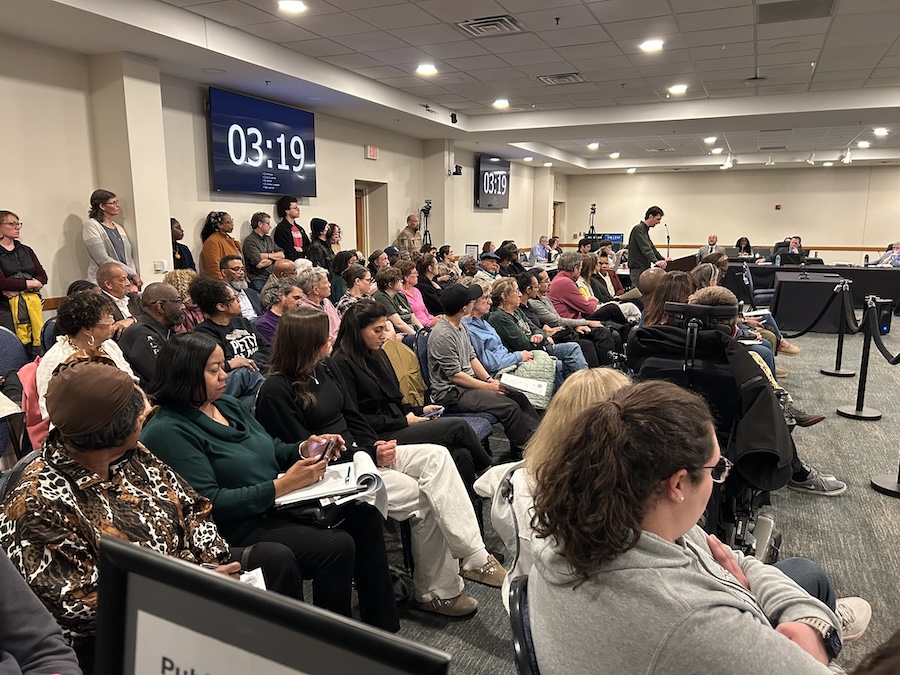
Tuesday’s meeting was packed, as dozens of residents filled the meeting room to speak about a perceived lack of transparency in the city’s response to the police shooting of Isaiah Kirby, a 21-year-old Michigan State University student who was suspected of stabbing a local attorney.
The meeting was called to order and the council took the standard steps of approving the agenda and previous meeting minutes. About three minutes into the meeting, the council left to hold a closed-door meeting with attorneys. For about 50 minutes, meeting attendees waited until the council returned and proceeded with the meeting.
This will be the standard process going forward when the council needs to meet with its attorneys, Mayor Erik Altmann told East Lansing Info in a phone call Wednesday morning, as the council will now hold closed sessions at the start of meetings, instead of scheduling separate special meetings or holding the sessions at the end of meetings, which has been the process.
“There’s a lot of different constraints and I think we’re going to try this and see if it works,” Altmann told ELi. “If it turns out to be a problem for folks, then we can adjust.”
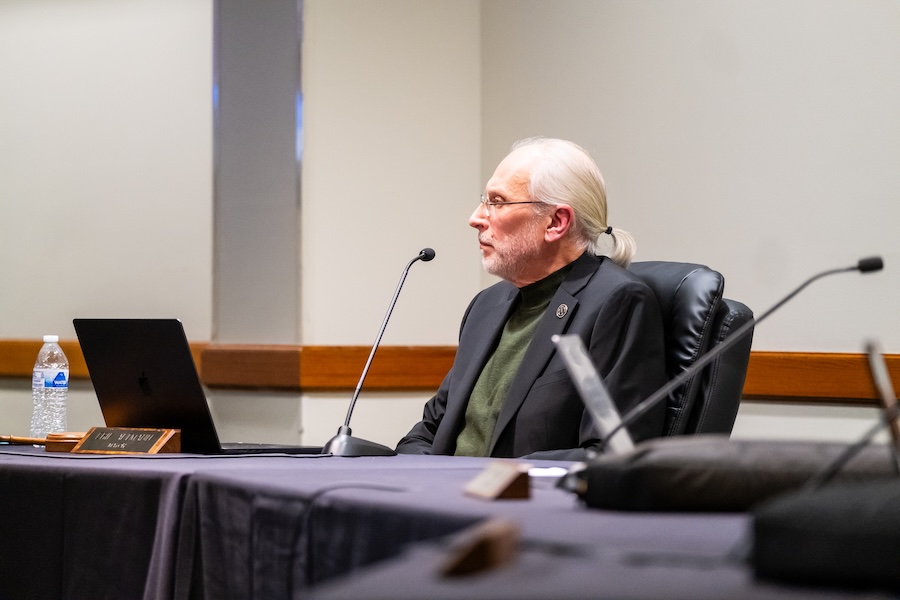
This procedural change was made by Altmann. Councilmembers Kerry Ebersole Singh and Mark Meadows each told ELi Thursday they did not know Altmann planned to continue with the new meeting layout for closed sessions.
Altmann told ELi that a council decision last month to hold regular council meetings at 6:30 p.m. and discussion-only meetings at 6 p.m. did not leave enough time for closed sessions before meetings. Previously, meetings were held at 7 p.m.
Additionally, Altmann said holding closed sessions at the end of meetings can mean paying attorneys to stay through the entire meeting. The city’s primary attorney, Steve Joppich, stays throughout meetings, but sometimes closed sessions include other attorneys, like labor attorneys, who do not attend all meetings.
“We have certain fiduciary responsibility not to spend money unwisely,” he said. “If [attorneys] have to sit there for five hours then that’s not an insignificant expense.”
Out of 14 Tuesday meeting dates this year, the council has held five closed-session periods on the same day as meetings – two took place during special meetings immediately before council meetings, one was held at the end of a meeting, one was mid-meeting and the other was at Tuesday’s meeting.
The change in procedure will leave residents not knowing when significant proceedings at meetings with closed sessions will start, including public comment.
Council bans clapping, shortens public comment in new meeting rules.
New meeting regulations adopted by the council Tuesday feature changes that shorten public comment from five minutes to three, and ban audience members from showing signs of approval or disapproval towards speakers, including by clapping.

Other changes include adding language about how the mayor can declare a person to be out of order and have law enforcement remove them from the meeting. Joppich said this language was proposed to clarify how rules in the city charter can be carried out. He said he does not expect it to have an impact on meetings.
“Granted, I’ve been here six months, but I’ve never seen anything come anywhere close to needing … that type of order be kept at a meeting,” Joppich said at Tuesday’s meeting.
“I’ve been here 30 years and I haven’t seen it either,” Meadows responded.
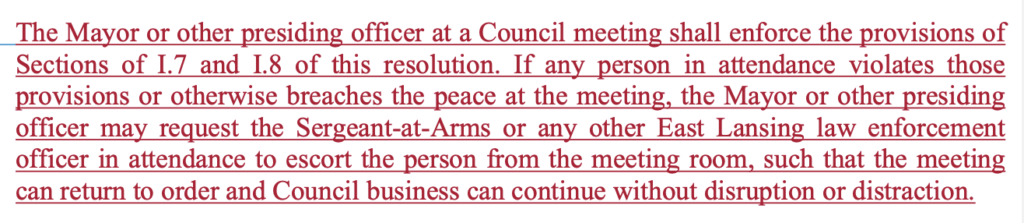
Altmann agreed, saying he doesn’t think meetings will be run differently with the new language, but that he prefers having a written policy to follow.
Dana Watson, a former council member who did not seek reelection in 2025, questioned the council’s motivation for making the rule changes. She said the council did not discuss new rules during previous controversies that brought long public comment periods.
However, recent controversies – like a series of policing scandals and a proposed camping ban – have brought more speakers who are Black to meetings.
“Your timing is interesting, it feels like discrimination,” said Watson, who is Black. “Now that the Black and brown people are showing up, suddenly, we want to have a resolution that reduces our public comment.”
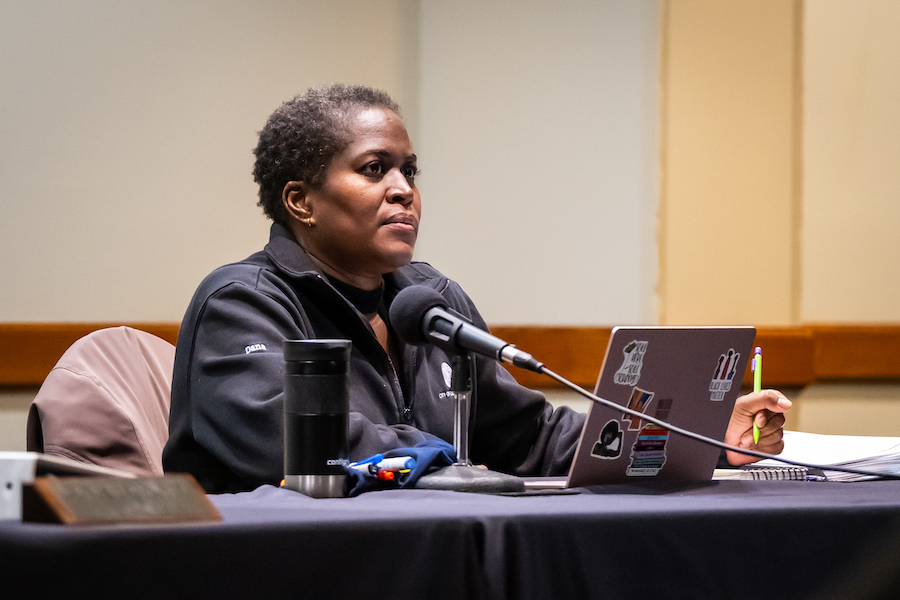
Watson went on to say that the city does not hold town halls during times of controversy and written comments do not get the same response as spoken remarks. She added that removing people from meetings would increase police use of force.
After a motion to delay a vote until September failed, the council opted to install the new regulations. The rules will go into place in July, except for the reduced time for public comment, which will be implemented in September.
Mayor Pro Tem Chuck Grigsby was the lone vote against the changes, saying there have been moments where meetings were uncomfortable but disruptions have been minimal.
“I’m just not here,” he said.