
A Special Education Pioneer at a Crossroads: Ingham ISD Seeks $100M Bond to Replace Aging Beekman Center
The Beekman Center in Lansing was an entirely novel idea when it was built in the late 1960s, one that not only opened doors for Lansing-area students, but set the standard for special education in the United States, Superintendent of Ingham Intermediate School District Jason Mellema told East Lansing Info during a tour of the center.
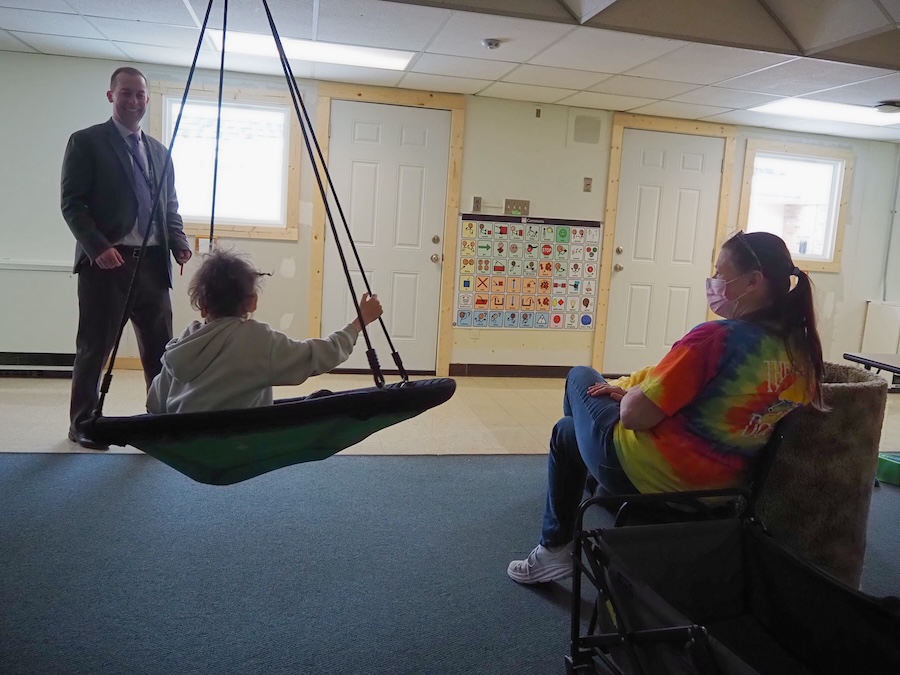
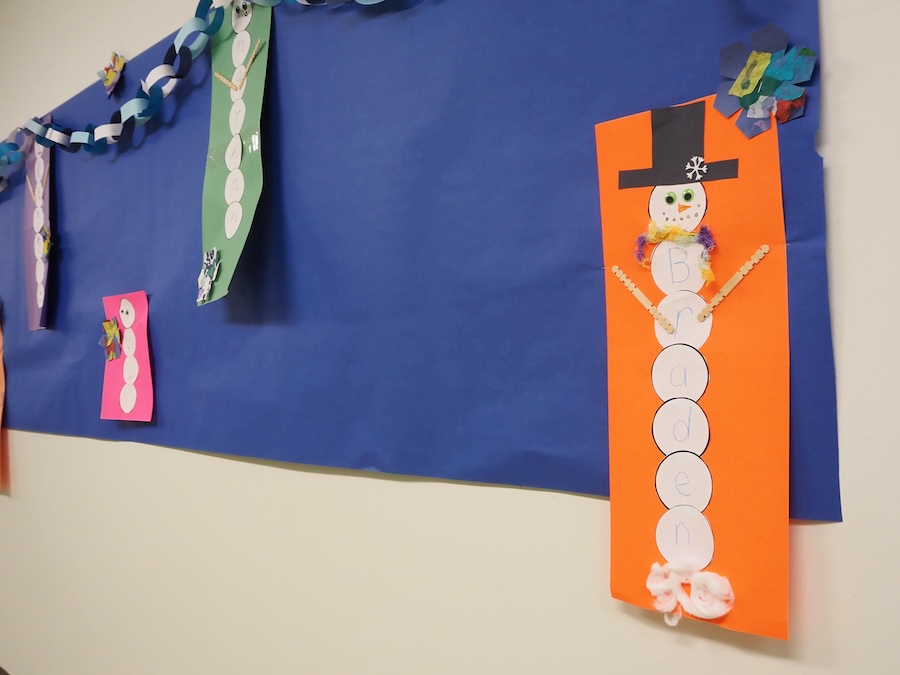
On a snowy school day afternoon, through halls adorned with construction paper artwork and glitter glue creations, Mellema touted features of the Beekman Center that were ahead of their time when it first opened in the late 60s as the first center-based special education building in the country, but lamented the areas of the building that need updates after more than 50 years.
From enlarging doorframes and classrooms for students with mobility aids to creating more accessible bathrooms and outdoor spaces, Ingham Intermediate School District, or Ingham ISD, is seeking a nearly $100 million bond proposal to replace the Beekman Center and renovate Heartwood School in Mason, the special education buildings serving 12 area school districts, including East Lansing.
The bond proposal, which voters in Ingham County will decide on in a special election on May 5, would levy a property tax of 55 cents for each $1,000 of taxable value.
There’s about 240 students between Beekman and Heartwood which serve students ages 3 to 26, Mellema said.
There was no school environment like Beekman before the center opened in 1968, Mellema said. Established by education pioneer Marvin Beekman, the center began programming several years before special education became federally mandated in 1975 and decades before the Americans with Disabilities Act in 1990.
“Just after World War II, a very different world, Marv had a very audacious belief that students with disabilities should have rights to education. That was not necessarily a popular statement back in the day and so he began advocating on behalf of those with special needs,” Mellema said. “This building has a tremendous legacy when we think about advocating on behalf of those with special needs, especially severe levels of special needs.”
The students that entered the Beekman Center in its early years would have been from institutions or otherwise isolated from society, Mellema said, and the center has now for decades torn down barriers to education and helped shine a light on the capabilities of students.
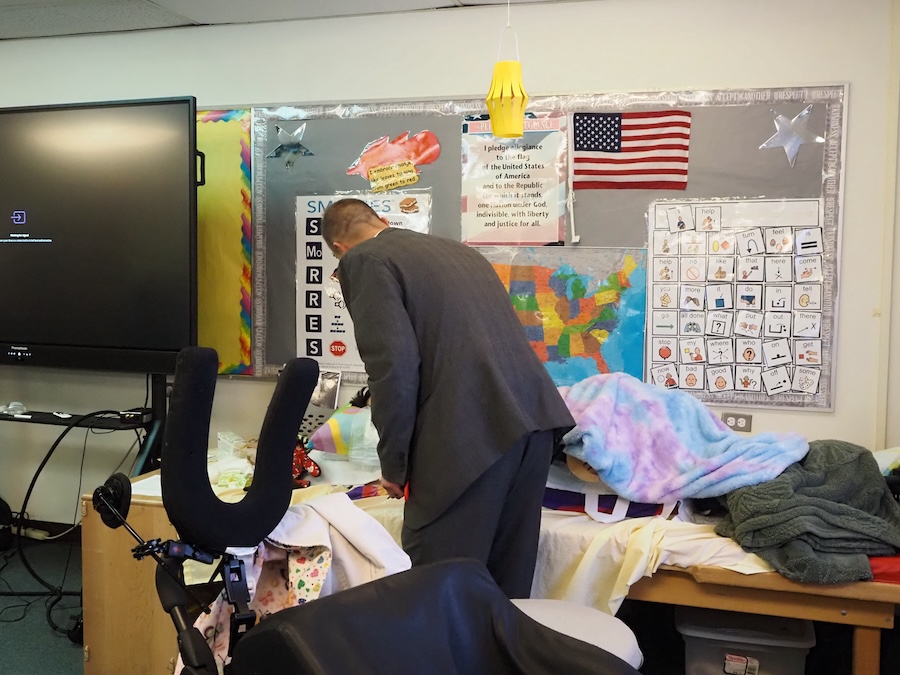
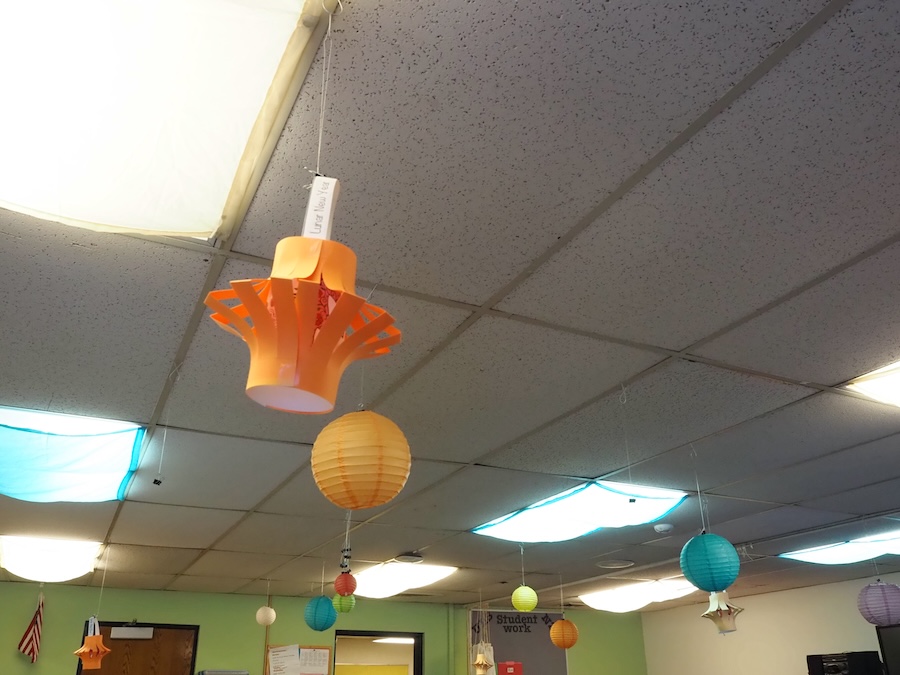
But the Beekman Center wasn’t necessarily built with things like power wheelchairs in mind, Mellema said. From the hazard of classroom doors opening out into the common hallway to harsh fluorescent lights sprinkled between brown water damaged ceiling tiles, the center is in need of updates.
“For some of our students in wheelchairs, this is their world. They look up a lot,” Mellema said.

Tucked away along the Lansing River Trail in South Lansing, Mellema recognizes that many voters in the upcoming May election may have never heard of the Beekman Center and might not be familiar with its impact on Ingham County families.
“You hope your child never goes here. Nobody aspires to have their kid become a Beekman Bobcat or Heartwood Tiger. Everybody hopes that their kid’s gonna go to their local district,” Mellema said. “But kids from every community within Ingham ISD attend these programs. So while you might not have a child who goes there, more than likely, you probably know somebody from your community who does attend a program like this.”
But it wasn’t always like that, Denise Fitzpatrick who taught at Beekman for more than 40 years before retiring, told ELi. Over the years, the Beekman Center has been a beacon, a new kind of educational environment where students with intensive learning, physical or medical needs could receive an education and access in-house specialized educators and therapists, along with medical professionals and other support staff.
Even First Lady Pat Nixon came to visit the Beekman Center and see the work the staff was doing in 1970, Fitzpatrick exclaimed.
“It’s too good of a place to let it not continue to be a state-of-the-art type of building for our students. We certainly have amazing students here, amazing,” Fitzpatrick said.
That’s why she spent her whole career in education in the Beekman Center, Fitzpatrick said, through hard work from students, families and Beekman staff, students see progress.
“The most important thing that I think we try to do is find what motivates the students and give them opportunities to utilize that, whatever is motivating for them to learn. So if they’re motivated by music, which a lot are, they need to have the opportunities to learn through music,” Fitzpatrick said. “I’ve seen a lot of improvement from kids doing these things that are extra and fun. The quality of life is important, so we try to give them things to do that are fun and motivating in a building that is colorful and bright.”
School staff has put the leg work into making the Beekman Center, which is beyond its useful life expectancy, function for students. But there’s only so much retrofitting can do in a building that was built more than 50 years ago.
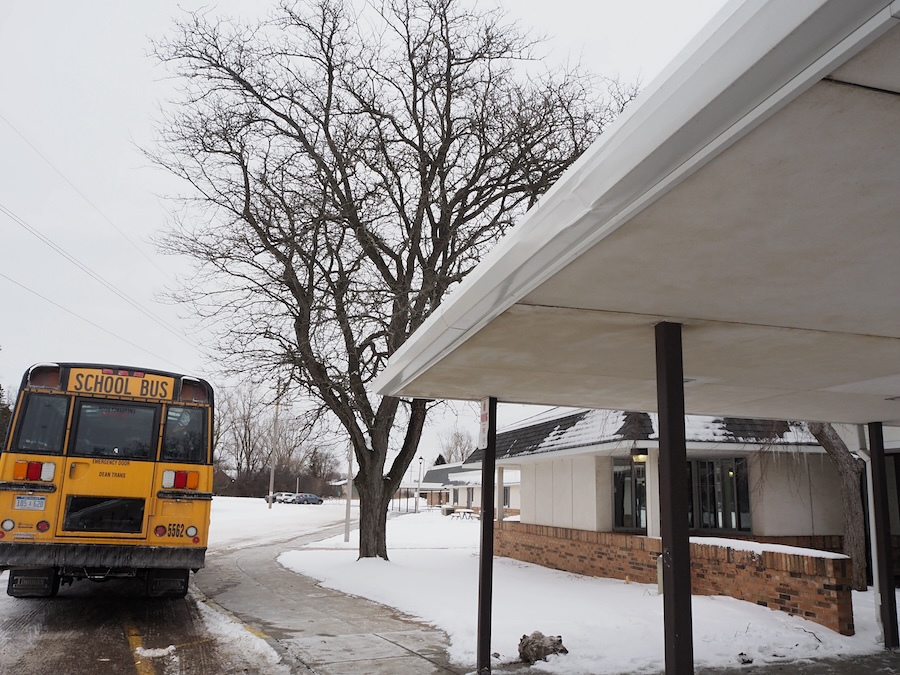
Even the building’s overhang, meant to shield students, many of which utilize wheelchairs and other mobility devices, was built too short to allow buses to pull underneath, so students and staff are left exposed to rain and snow at dismissal. The overhang bears the signs of several attempts by buses to get underneath.
Some students at Beekman learn career skills and receive the transitional support needed to hold down a job, Mellema said. Other students receive programming working on basic life skills like toileting and maneuvering in public spaces.
The Beekman Center boasts features like an indoor simulated street with storefronts where students can learn how to navigate in various locations and a model apartment where students can practice cooking, cleaning and other life skills.
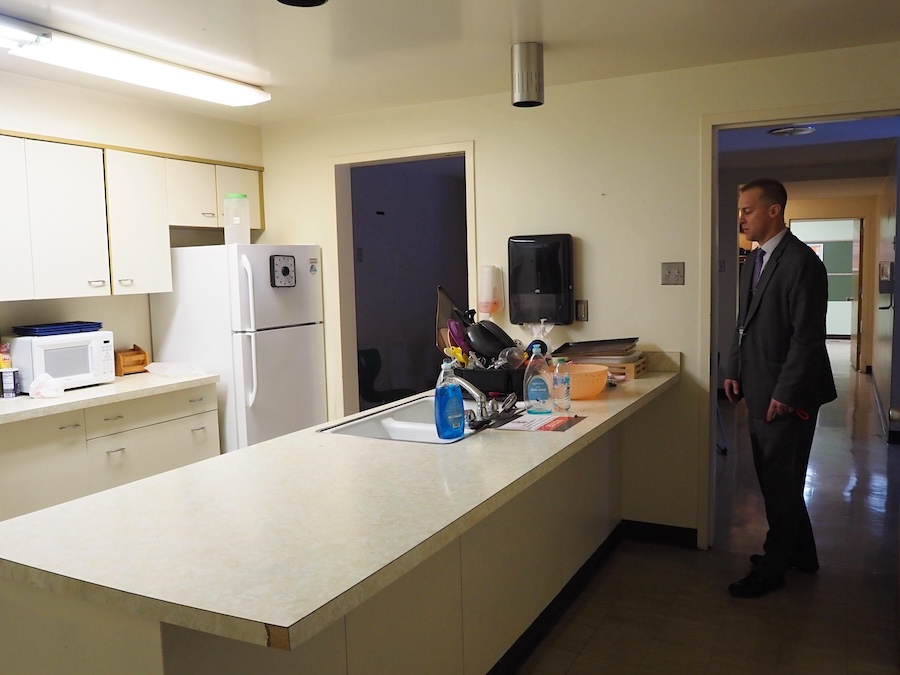
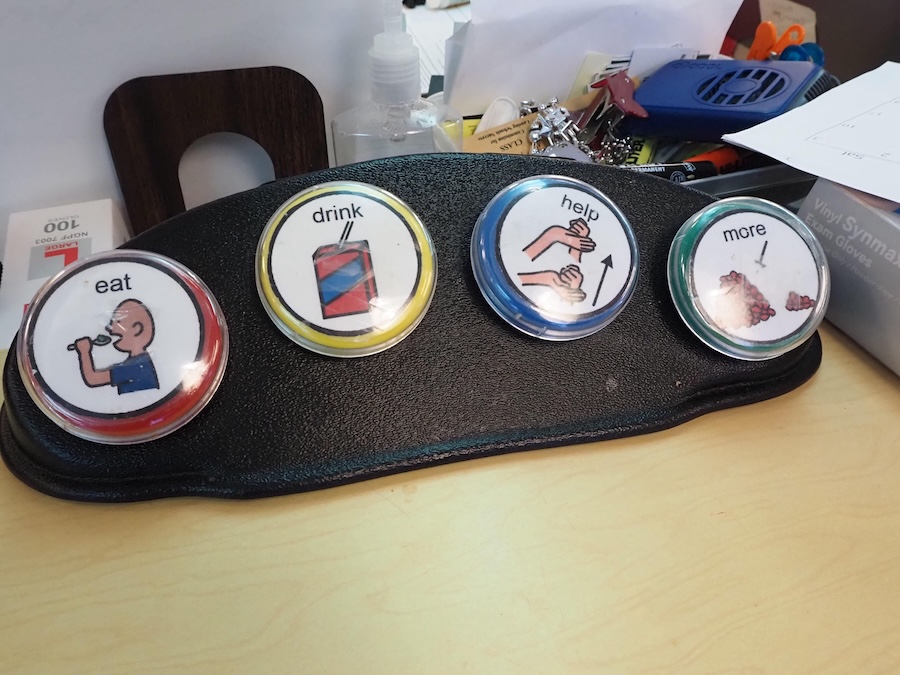
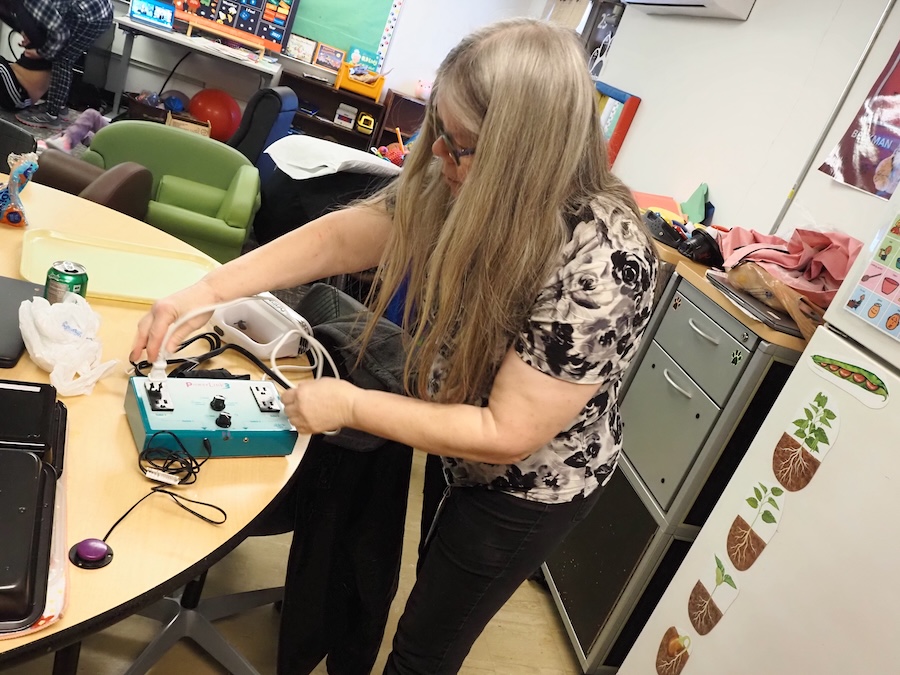
Students need to move around and learn important skills in ways that they can engage with, Angela Wanger, a special education teacher at Beekman, told ELi during a tour of the school.
Students in Wanger’s class had just finished using adaptive technology to operate kitchen tools in the apartment to make carrot cake.
But even the apartment is not totally conducive to getting the kids engaged in learning, Wanger said as the kitchen sink is not accessible to students with mobility aides and the arrangement of the cabinets and dish washer do not allow free movement for some students.
Wanger and other staff at Beekman expressed their dismay that the center’s pool for students hasn’t been operational for several years.
“There are spaces that don’t function. The pool, that doesn’t work. So we have to go to Heartwood to swim, which takes a half a day and a lot of planning and prep. Even before school starts, we’re prepping the bags for all the kids, whether we know who’s coming or not, just because we need to make sure we have all the diapers, the wipes, the suits, the towels,” Wanger said.

The loss of the pool in-particular hit the school hard, Fitzpatrick said, as the Beekman Center is fitted with extensive adaptive swimming tools not always accessible to school families. Swimming time meant that students could get a shower at school which helped families not have to worry about one more thing at home.
“It really gets hard, especially as they get older and bigger, to meet all of those needs at home all the time, so [families] appreciate those kinds of things and I feel bad that we haven’t been able to offer that for families a little bit,” Fitzpatrick said.
That’s the beauty of the Beekman Center, that as a center-based program it tackles multiple elements of student wellness, Fitzpatrick said. From occupational therapy to social work, Beekman puts it all under one roof, allowing vulnerable students to succeed when they might not have in a traditional school environment.
Many Beekman and Heartwood students can’t advocate for themselves, Mellema said, and in the May election the residents of Ingham County will vote on an issue that bears great impact on students.
“I think it says a lot about a community and a society when you take care of those who can’t necessarily give back to you,” Mellema said.