
Meet the East Lansing School Board Candidates
Six individuals are running to fill four seats on the East Lansing school board in the Nov. 3 election.
Current board members Tali Faris-Hylen and Abbie Tykocki are running again, while Kath Edsall and Terah Chambers will not seek reelection. Faris-Hylen, Tykocki and Delia Fernandez-Jones will appear on the ballot, while three others — Scott Farver, Timothy Schmitt and Abigail Wright-Geddes — have submitted the necessary paperwork to run as write-in candidates.
East Lansing Info asked the candidates to respond to questions ranging from budgets to technology to school safety. Their responses can be read below.
On-the-ballot candidates
Tali Faris-Hylen
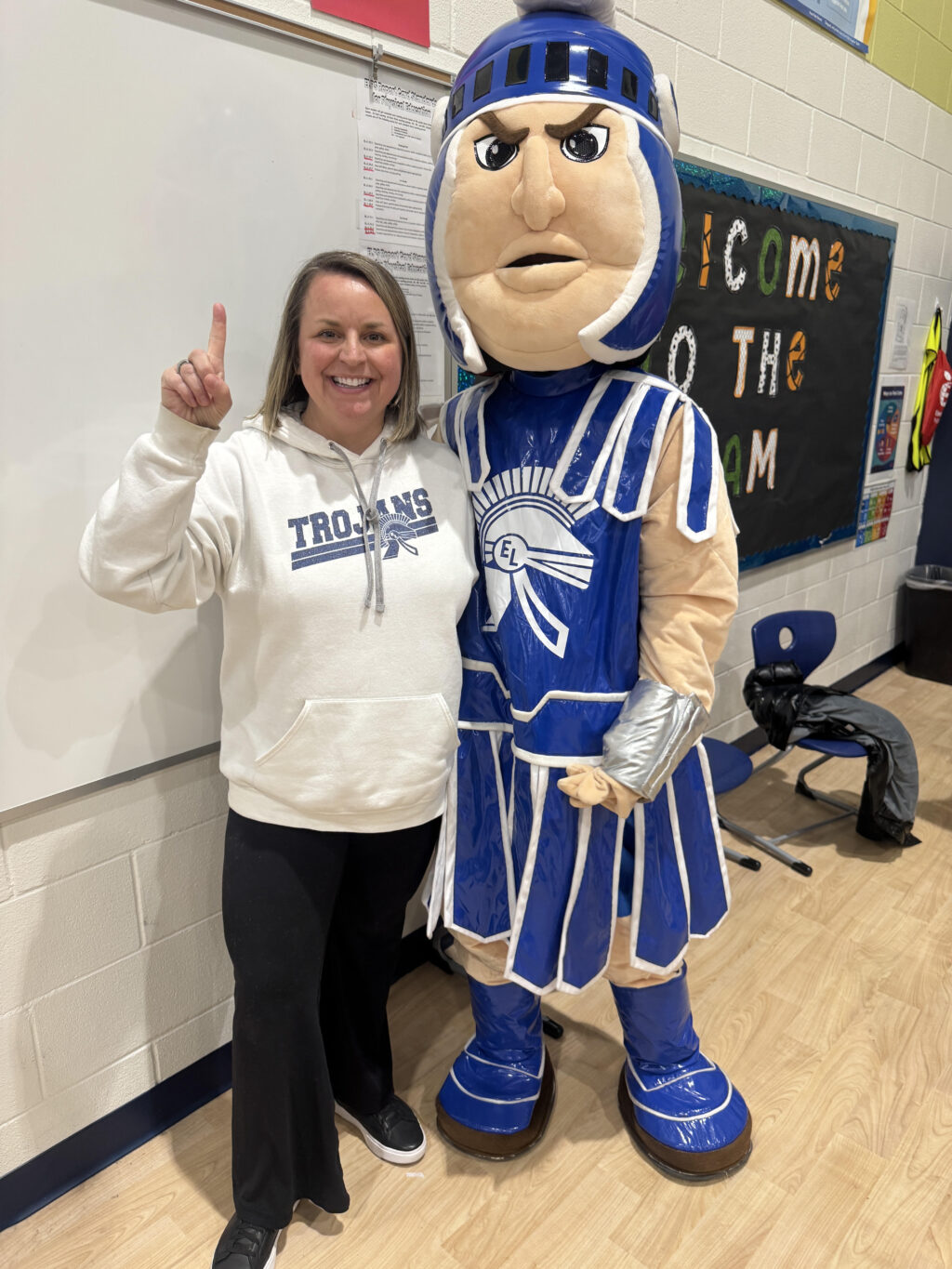
Age: 47
Profession: PR/Marketing professional and business owner
Education: BA Journalism from Michigan State University
As budgets continue to tighten and teachers continue to fight for better compensation, what will you prioritize?
My priorities have always been to center students and to support teachers and staff.
I will continue to work to extend our culture of achievement to all students by working to ensure everyone receives the resources they need to be successful.
I will continue to promote diversity in our hiring practices.
What role should technology play in K-12 classrooms: when should it be utilized and when should it be sidelined?
There are many layers to this conversation and I always want to center what’s safe and ethical for our learners and teachers.
I believe in screen time limits, app restriction, and very limited use of AI (I’d prefer zero use).
I believe in listening to and gathering data from the teachers in the classrooms and other tech experts.
Do you think the district is doing enough to keep children safe in schools? Is there anything else you’d like to see the district do?
I am so proud of the teams and supports we’ve built with the emphasis placed on mental/physical health and safety/security within our district.
Our safety and security teams at MMS and ELHS do the good work every day by building relationships with students and staff and making everyone feel at home within our buildings. I’ve seen it in action and when building relationships is the priority, our students thrive.
This year, our elementary schools have hired student advocates in their buildings as well. We’ve also hired a Director of Student Safety, Security and Support to oversee the entire district.
Our district mental health team members are pioneers in the mental health space and provide incredible supports for our students.
Our sex education advisory board is comprised of incredibly caring and knowledgeable community members and experts that have secured top notch curriculum within our schools at every level.
The addition of the health center in the high school extends into our greater community and serves to keep our students healthy.
Additionally, by passing a safety and security bond, our community continues to show up for our schools, and the students and staff within ELHS are experiencing the new space built to further ensure their physical safety within the high school.
I am confident in the work our district does and continues to do. I will continue to support these efforts.
Delia Fernandez-Jones
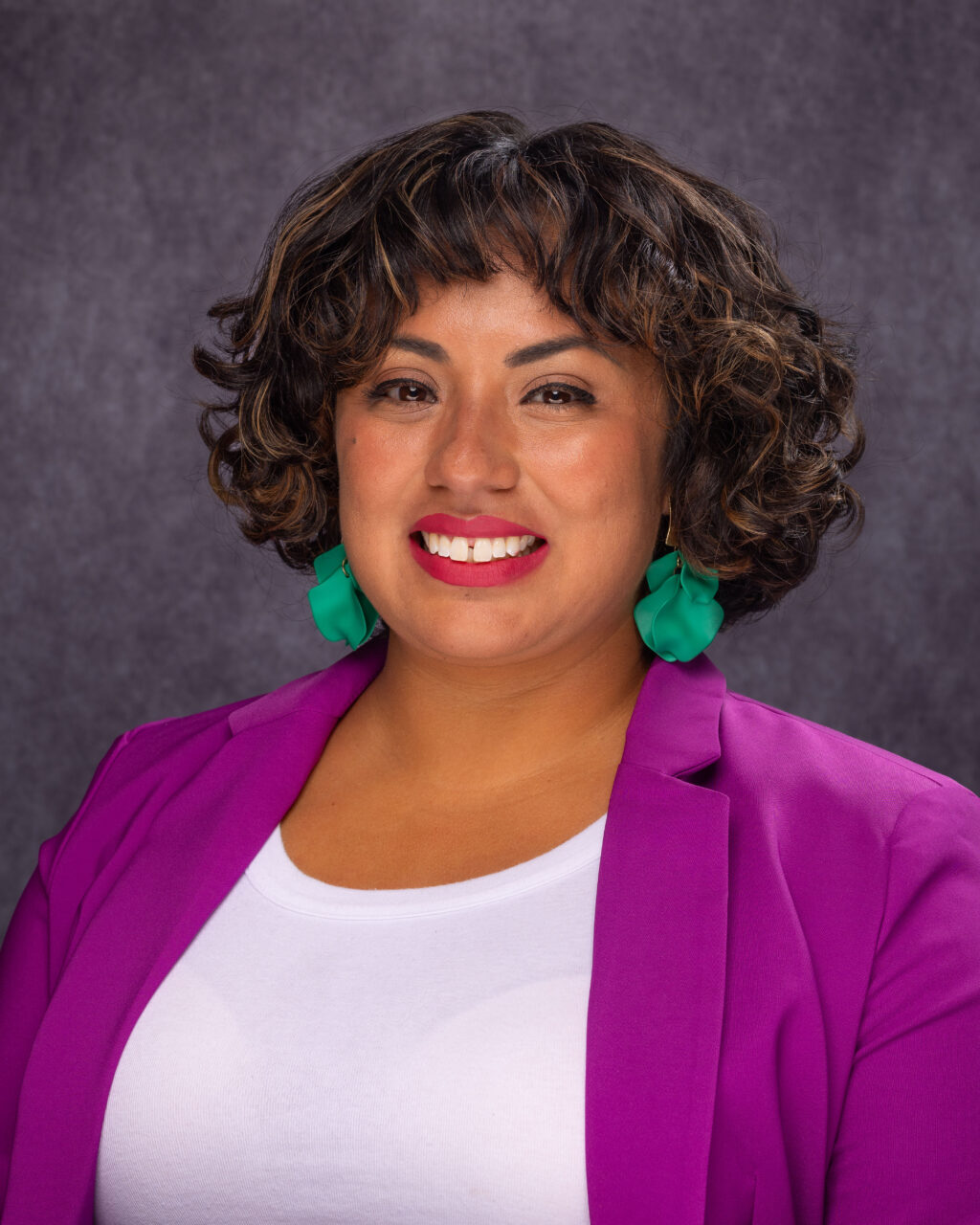
Age: 39
Profession: Professor and administrator
Education: I graduated from Wyoming Park High School in 2005 in Wyoming, Michigan. I have a Bachelor’s in History from Grand Valley State University (2010). I have an MA and a PHD in History from Ohio State University (2012, 2015).
As budgets continue to tighten and teachers continue to fight for better compensation, what will you prioritize?
Prioritizing the safety and well-being of our students and staff is incredibly important for a stable district. Learning happens effectively when students have their basic needs met and when that does not happen, this poses challenges to teaching. It is important to ensure that both staff and students have what they need for their roles.
What role should technology play in K-12 classrooms: when should it be utilized, and when should it be sidelined?
With appropriate safeguards and research-backed approaches, age-appropriate learning with technological tools will help our students prepare for our current world and what comes in the future. Attention to the amount of time spent with technology and how it is being used will depend on the grade and learning outcomes that need to be achieved.
Do you think the district is doing enough to keep children safe in schools? Is there anything else you’d like to see the district do?
The district is already investing in student safety and well-being, which it should continue. Infrastructure is crucial to keeping students and staff physically safe. Ensuring sound protocols for using the infrastructure effectively adds to its effectiveness. Other measures, like the health center, create an additional layer of support that can help address students’ holistic well-being. Lastly, reducing teacher and administrative turnover should also be considered an investment in student well-being. Staff and leadership continuity can increase our ability to identify students with less visible needs.
Abbie Tykocki
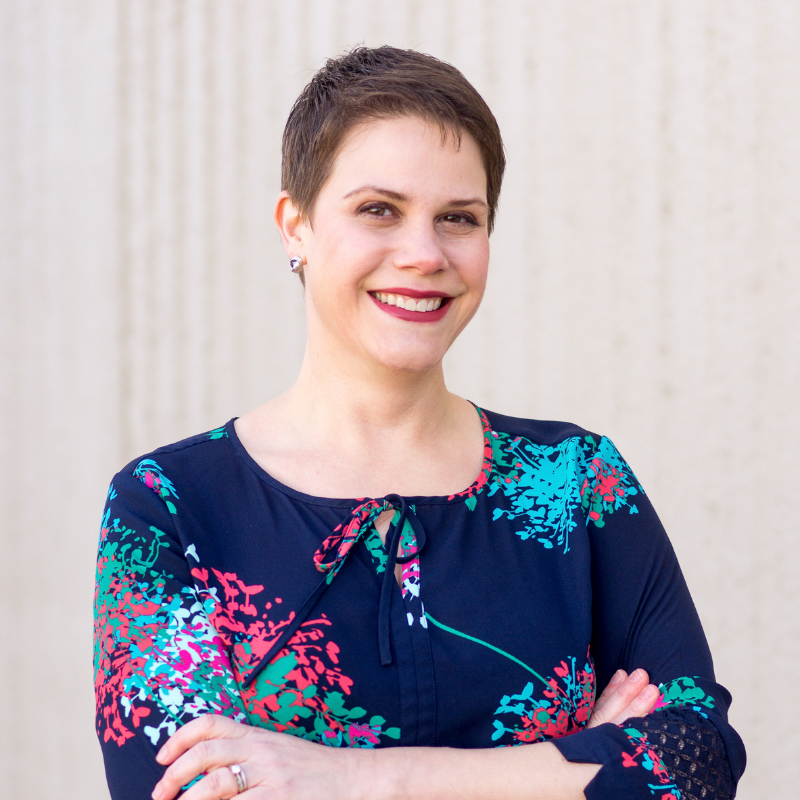
Age: 47
Profession: Manager of Business Operations for Riverwalk Theatre
Education: Master’s Degree, Columbia College, 2011, Bachelor’s Degree, Michigan State University, 2001, High School Diploma, Grandville High School, 1997
As budgets continue to tighten and teachers continue to fight for better compensation, what will you prioritize?
My priority is to protect the quality of education and support competitive compensation for teachers and staff while recognizing the funding challenges shaped by both state and federal funding. I will put students and classrooms first, carefully evaluate administrative and operational spending, and be transparent with the community about difficult choices. Teachers shouldn’t have to choose between fair compensation and the resources their students need, and the board should support the administration in working toward both. Having recently completed the Michigan Association of School Boards (MASB) school finance certification training, I bring a deeper understanding of school funding, the constraints districts face, and the importance of making sustainable financial decisions for our students, staff and community.
What role should technology play in K-12 classrooms: when should it be utilized and when should it be sidelined?
Technology belongs in the classroom when it expands learning, creativity, access, or feedback and should be put aside when students would benefit more from discussion, reading, writing, hands-on learning, or human connection. We need to hold both educators and students accountable for excellent learning outcomes while trusting our highly trained teachers to adapt and use their professional judgment. We’re all going to be flying the plane while we build it, and our responsibility is to keep learning and adjusting to make sure students remain at the center. I appreciate that the makeup of our board’s Academic & Technology committee includes student representation.
Do you think the district is doing enough to keep children safe in schools? Is there anything else you’d like to see the district do?
I am continually impressed by all the work our district is doing to strengthen student safety. This includes hiring a Director of Safety, Security, and Student Support; a position made possible, in part, by the board’s decision last year to accept Michigan’s Section 31aa funding for student safety and mental health. When the safety of our children is at stake, we can never say we’ve done enough. School safety requires a layered approach that includes secure buildings, strong relationships, accessible mental-health supports, emergency preparedness, and responsible policies. I believe our administration has done and continues to do meaningful work to build these conditions in our schools. At the same time, schools cannot shoulder this responsibility alone. Without meaningful safeguards beyond the school doors to stop swatting calls and prevent firearms from reaching people who should not have access to them, we cannot expect even the strongest school-safety measures to prevent every tragedy.
Write-in candidates
Scott Farver
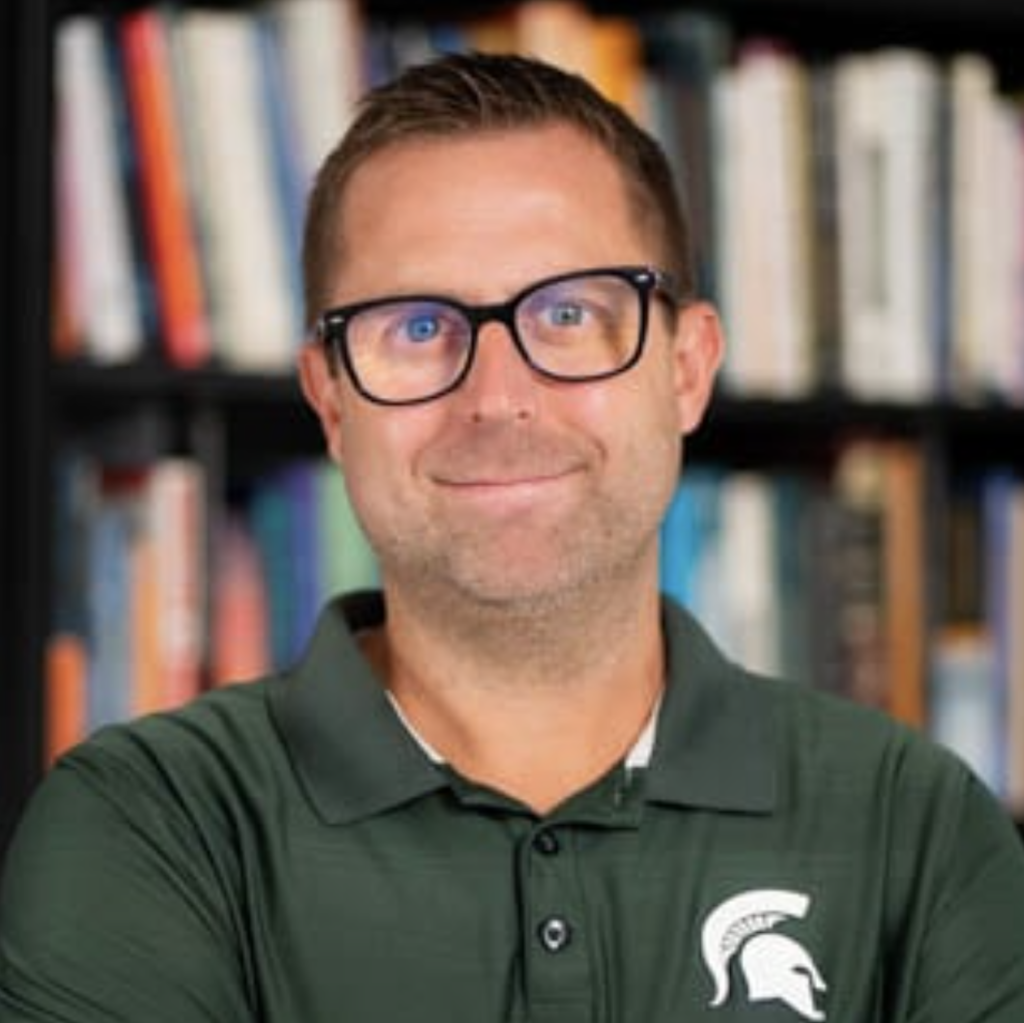
Age: 46
Profession: Associate Professor in the Department of Teacher Education in the College of Education at Michigan State University
Education: I graduated from Central Michigan University with a bachelor’s degree in teaching History and German. After serving as a Peace Corps volunteer in the Philippines, I earned my MA from Western New Mexico University in education. I then completed my PhD in Curriculum, Instruction, and Teacher Education at MSU in 2019.
As budgets continue to tighten and teachers continue to fight for better compensation, what will you prioritize?
As far as budgets, I want to make sure that teachers are compensated for the incredible work they do.
What role should technology play in K-12 classrooms: when should it be utilized and when should it be sidelined?
Technology in the classroom has been a constant struggle for teachers for over a century. At the end of the day, whether it’s an abacus, a calculator, a phone, or AI, technology is a tool. Some tools are helpful, and some are not. I think listening to teachers and staff about what kinds of technology is helpful (and which are not) will be key, as well as following broader discussions around the state, country, and world about best practices.
Do you think the district is doing enough to keep children safe in schools? Is there anything else you’d like to see the district do?
As far as safety, I know that the district has student safety at the front of their mind every day. I love our community here in East Lansing and I love this district. If there is more we can do in the district to keep every who is at school each day safe, I’m happy to talk about those ideas. I hope the district continues to listen to educators and families about their concerns as we work together to make our schools safe for everyone.
Timothy Schmitt

Age: 48
Profession: I am the Community Planning and Development Director for Meridian Township. Been in public service my entire career.
Education: My undergraduate degree is in Geography, with a minor in Environmental Studies, from the Harvard on the Hocking, Ohio University. My graduate degree is a Master of City and Regional Planning from Ohio State University.
As budgets continue to tighten and teachers continue to fight for better compensation, what will you prioritize?
During my time at Meridian Township, I served as the Interim Township Manager for nearly a year and led the leadership team in developing a budget for the Township. It was a balanced budget that focused on our core functions: making sure public safety was fully staffed and making limited investments in areas that directly impacted our residents and our ability to serve the public. My main takeaway from that time is that, as a public body, we need to make sure that we are the best of the best at our core functions. To me, as a school board member, that would be making sure that we have the best teachers, giving them the resources they need to feel supported, and in doing so, we are giving our children the best education we can. State funding can be challenging at times, but proper planning for capital and other future expenditures should allow us to maximize our ability to serve our teachers, allowing them to do their best in preparing the next generation of leaders.
What role should technology play in K-12 classrooms: when should it be utilized and when should it be sidelined?
My third grader has been in East Lansing schools her whole school career, starting with Young Fives at Red Cedar and now K-3 (so far) as a Marble Muskrat. I was actually a little surprised at how early technology was introduced and I can’t say I loved it at first. However, in watching her progress, it feels like the district is doing a great job integrating technology, while not allowing it to carry the education load. It feels like she’s able to solve problems in multiple ways, if necessary, given how they’ve learned things thus far. And on the non tech side of things, she genuinely excited about learning cursive and going to music and art classes, where tech isn’t as prominent. You can’t ignore it and you can’t put it front and center and EL is threading that needle well. My biggest tech concern right now is where we are going with AI as a society, which inevitably impacts our children. We have to lead on this issue and teach them about it, when it is usable and when it isn’t helpful, while still preparing kids for the world. The last thing we need is a generation of children that can type things into Chat GPT, but can’t explain the underlying concepts behind the answer. We need to stay on top of that and hopefully working with Superintendent Leyko and the administration we can both prepare kids for the future, while keeping them healthily skeptical about technology’s ultimate usage in society.
Do you think the district is doing enough to keep children safe in schools? Is there anything else you’d like to see the district do?
The district has done an excellent job of limiting access to the buildings, an important part of any safety plan, and working on addressing issues that arose around sporting events. I’ve also been very pleased with the limited instances where we’ve had to reach out as parents about our concerns with what we considered bullying. I do think that eventually, when the broader Community is ready to embrace the East Lansing Police Department again, I would like to see a School Resource Officer in the District. That can be a successful program and we need only look to Haslett Public Schools to our east to see it working well. But there is a lot of work that needs to happen before we are in a position to implement that item.
Abigail Wright-Geddes
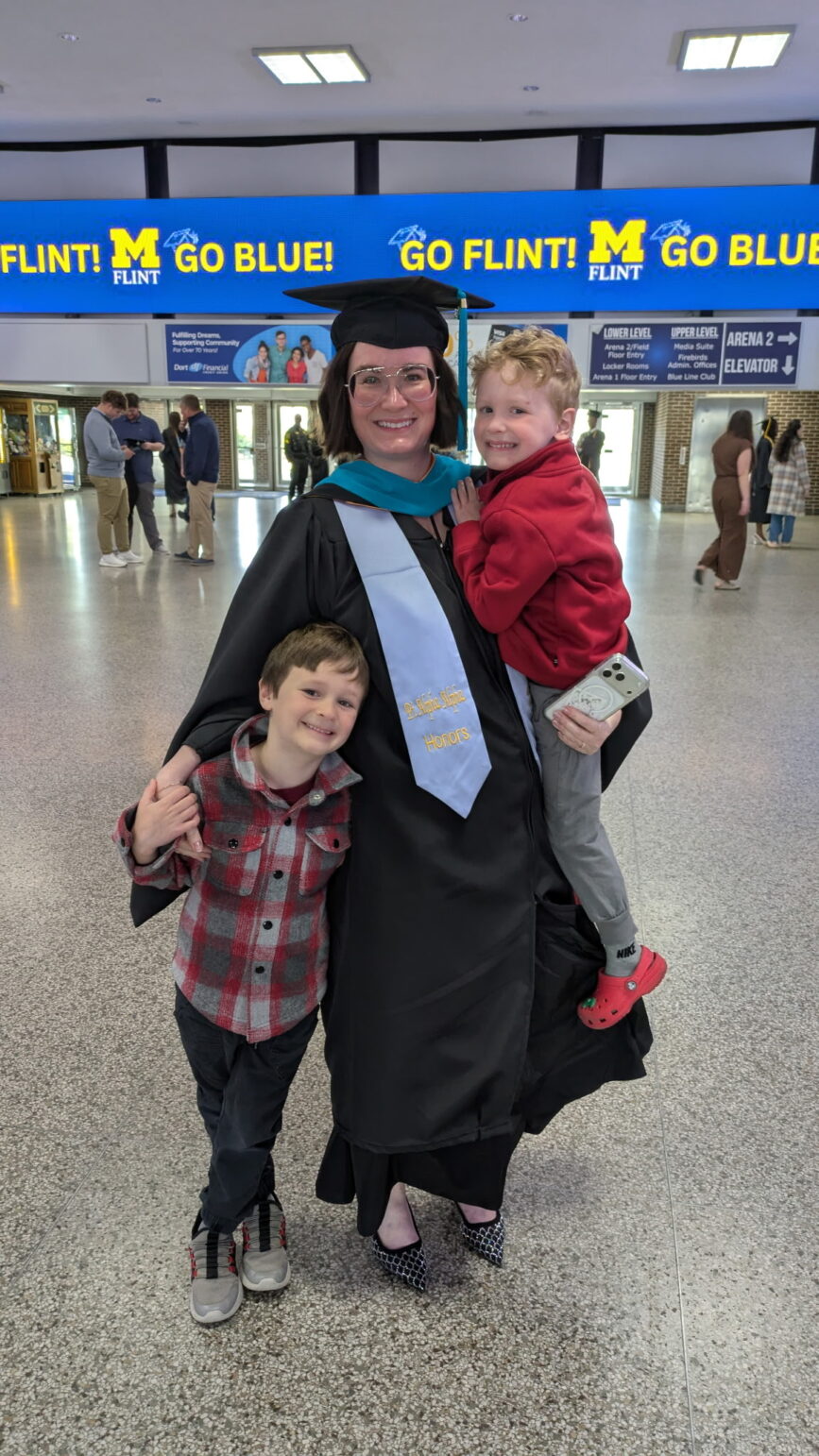
Age: 36
Profession: I am a Community Volunteer Services Specialist with the American Red Cross Michigan Region, where I have worked since 2019. My work focuses on recruiting, developing, and supporting volunteers across several areas of the organization. I also lead a team of volunteer recruiters and work closely with staff, volunteers, and community partners, to build programs and strengthen our volunteer workforce.
Education: I earned my bachelor’s degree in Political Science with a minor in Nonprofit Administration from Eastern Michigan University in 2019. I also earned my Certified Nonprofit Professional (CNP) credential through the Nonprofit Leadership Alliance.
I went on to earn my Master of Public Administration from the University of Michigan-Flint. My education and professional experience have given me a strong foundation in public-sector leadership, nonprofit management, budgeting, program development, and community engagement.
As budgets continue to tighten and teachers continue to fight for better compensation, what will you prioritize?
Teacher compensation would be a priority for me. If we want to attract and retain excellent teachers, we have to compensate them competitively. We ask teachers to pursue advanced degrees and continually develop their skills so they can better serve our children; they should be able to earn a living that allows them to support themselves and manage the cost of that education.
At the same time, a school board has to be responsible with limited resources. I would look closely at the budget, prioritize classroom and student needs, and work with district leadership to identify sustainable ways to support competitive compensation. Retaining experienced educators is itself an investment in our students and our schools.
What role should technology play in K-12 classrooms: when should it be utilized and when should it be sidelined?
Technology is a part of our lives and here to stay. I want teachers and principals to have the professional judgment to determine when technology genuinely improves learning and when students benefit more from discussion, hands-on activities, reading, writing, collaboration, or simply interacting with one another.
I would support thoughtful use of technology when it helps personalize instruction, provide access to resources, support students with different learning needs, or prepare students for the world they will enter. But more technology is not automatically better. We should evaluate whether it is actually improving learning rather than using it because it is available.
Do you think the district is doing enough to keep children safe in schools? Is there anything else you’d like to see the district do?
School safety has to be an ongoing priority, and I don’t think any district should ever assume it has done enough. I would want to build on the work already done rather than assume that more security equipment alone makes schools safer. Safety also means students feel supported, adults know how to recognize and respond to concerns, and families know how to communicate when something doesn’t feel right. I would prioritize regular reviews of safety procedures with principals, staff, students, families, and local safety professionals.
Most importantly, I would trust our principals and school professionals to identify the specific needs of their buildings. Their expertise and knowledge of their schools should inform districtwide decisions while still maintaining consistent safety standards across ELPS.