
East Lansing Considers Upwards of $40 Million in Bond Payments For Infrastructure, Facility Upgrades
The East Lansing City Council is poised to begin a 45-day period in which residents could force a referendum on the city’s proposal to issue tens of millions of dollars in bonds for sewer infrastructure and improvements to city facilities.
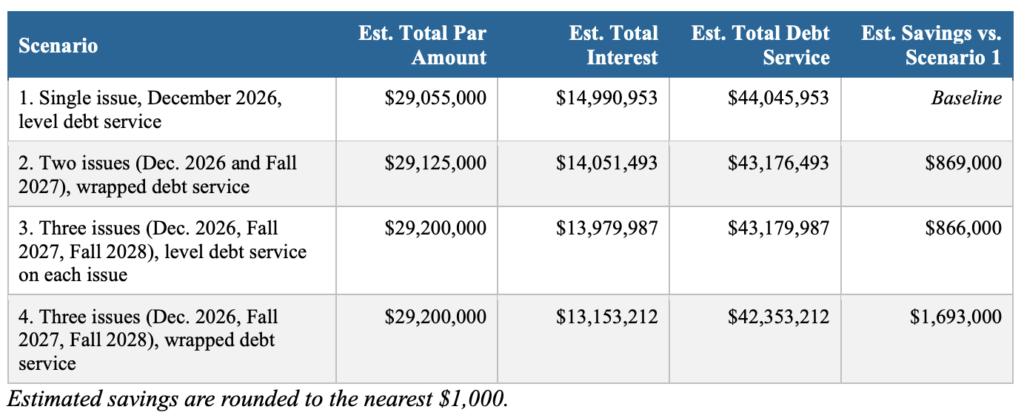
The city is considering borrowing nearly $30 million to pay for improvements to the sewer system, Hannah Community Center, City Hall and Fire Station. Including interest payments, the cost is expected to total more than $40 million over 20 years. However, concerns about the city budget and questions about if recommended projects should be prioritized persisted at the Sept. 15 council meeting.
If at least 10% of East Lansing’s registered voters sign a petition during the referendum period, which the council is expected to approve a notice for at Tuesday’s council meeting, voters would decide whether the city can issue the bonds. If the period expires without enough signatures, the council could proceed with the bond financing.
The city is considering four different bond structures, according to Tuesday’s City Council agenda. Bond attorney Roger Swets recommended at the Sept. 15 meeting that the city issue at least two bonds, with the first to be issued before the end of the year.
Councilmember Kerry Ebersole Singh said she is concerned about rising oil prices, the Iran war and other factors pushing interest rates up further if the city waits to pursue bonds to cover the majority of projects.
Bonds of $10 million or less carry tax benefits for buyers, which could help keep interest rates down, Swets said.
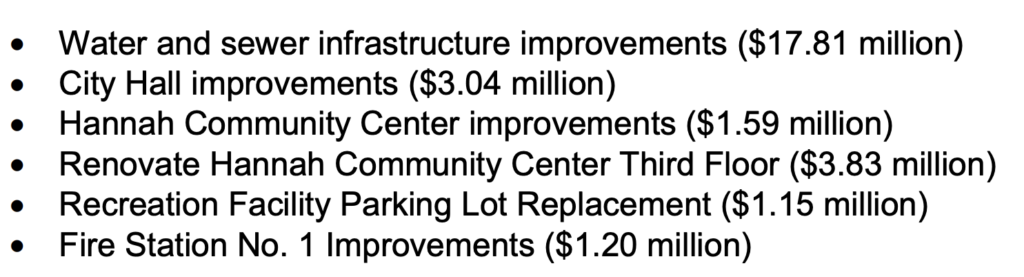
The majority of the proposed spending is on improvements to the city’s water and sewer infrastructure, projects that cost almost $18 million. Department of Public Works Director Ron Lacasse explained at the Sept. 15 meeting that utility rates are increased to cover these costs.
The remaining expenses are spread out among different improvements to the Hannah Community Center, Fire Station, City Hall and parking lot repairs. The facility improvements would be paid for by the general fund and Parks, Recreation and Arts Department fund.

While these projects have gathered attention over the last several months – especially work that would allow the Hannah Community Center to open its third flood and expand programming – members of the City Council expressed hesitation to spend big on facilities.
Councilmember Steve Whelan said he is perplexed by the proposal and while he understands it can be smart to take on debt, he is typically a “no debt guy.” Councilmember Mark Meadows said he needs to see a more detailed breakdown of how the parks department will pay for the improvements through programming income.
“I need to know what this is going to cost our citizens overall,” Meadows said. “This is a time within our community and all across this country where it costs a lot more to live.”
The City Council can reduce the size of the bond proposal by dropping projects once the referendum period is up, but it cannot add more projects to fund, Swets clarified Sept. 15.
East Lansing Parks, Recreation and Arts Director Justin Drwencke said his department expects to be able to cover its share of the cost through new program fees and by increasing existing fees.
For example, the city’s ceramics program has a long waiting list, and opening a space on the Hannah Center’s third floor to hold additional classes could cover about one-quarter of the price tag, while only using one-sixth of the space opened, Drwencke said. Raising the price of a day pass to the Aquatic Center by $1 could cover the cost of repairing the facility’s parking lot.
The parks department is also exploring the possibility of operating a preschool out of the Hannah Center and expanding childcare opportunities, Drwencke said.
“I do believe that there’s a programming need, just by using the third floor space, that more than covers the annual debt service,” he said.
Some of the projects in City Hall would replace air flow and HVAC equipment that is decades past its expected service life. Some of the equipment will need to be replaced if the city is going to get another three to five years out of City Hall, Drwencke said.
Meadows, who has previously floated the idea of moving City Hall, said this raises more questions about what should be done with City Hall.