
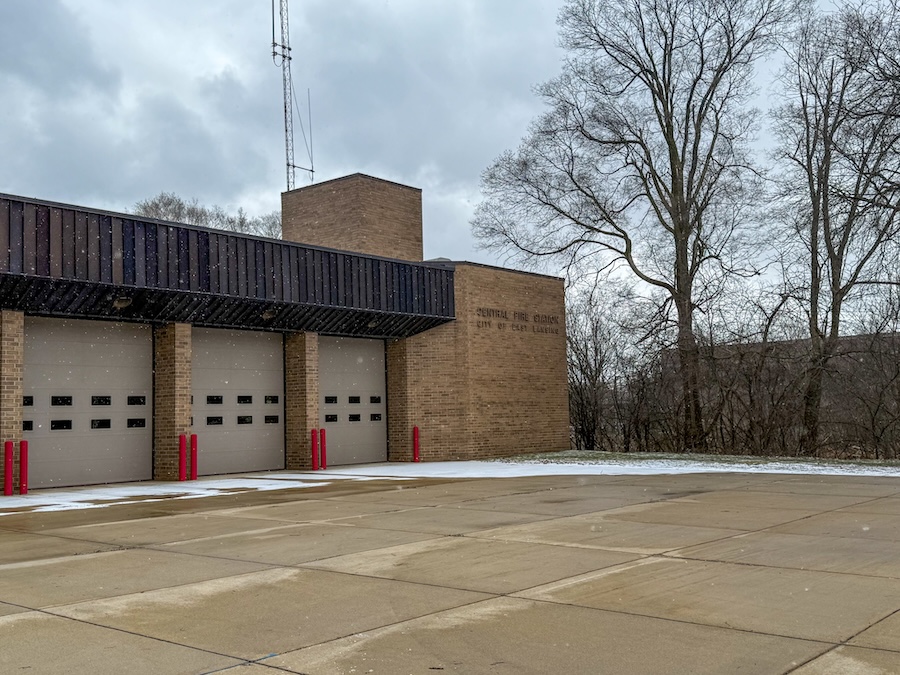
From Campus Labs to River Rescues, East Lansing Firefighters Train for It All
If an elevator stalls between floors or a kayaker falls into the Red Cedar River, there’s a good chance East Lansing firefighters will be called on to respond.
John Newman serves as East Lansing’s interim fire chief, where he handles the general administration of ELFD. He’s been with the fire department for just over 25 years, and has seen East Lansing firefighters’ responsibilities grow far beyond putting out fires.
Along with needing to obtain a state firefighter certificate, East Lansing firefighters are trained to offer emergency medical services. They obtain an Emergency Medical Technician certificate, a paramedic license, training with the tri-county emergency medical control authority, and a certificate to operate as a paramedic in Ingham County.
Beyond that, firefighters receive training for more unique situations, including confined space rescues, trench rescues, rope rescues, structure collapse rescues and even hazmat responses, Newman said.
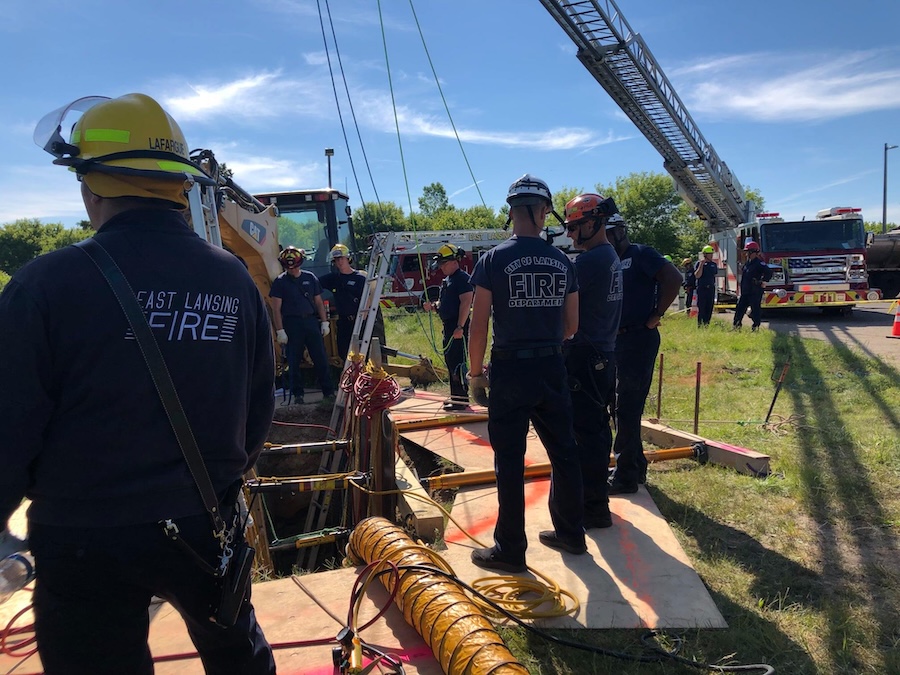
Not all ELFD staff must be trained in every rescue situation – they get to choose the technical rescues that they want to master.
“Some people have strengths and weaknesses, so you utilize people that have those strengths to carry those tasks,” Newman said.
Once firefighters complete the foundational training and rescue training of their choice, they must maintain certifications each year to continue their practice. Maintaining certifications requires anywhere from 30 to 80 hours of training per year, depending on the type of rescue.
There are many situations that the department is equipped to deal with, but a few stand out that Newman has seen the most in East Lansing.
“We’ve had multiple elevator rescues of all things. Elevators have failed in between floors, and all we’re doing is making sure that it’s secure and safe,” Newman said.
“We’ve been involved in multiple water rescues on the Red Cedar River as well as on Lake Lansing,” he added.
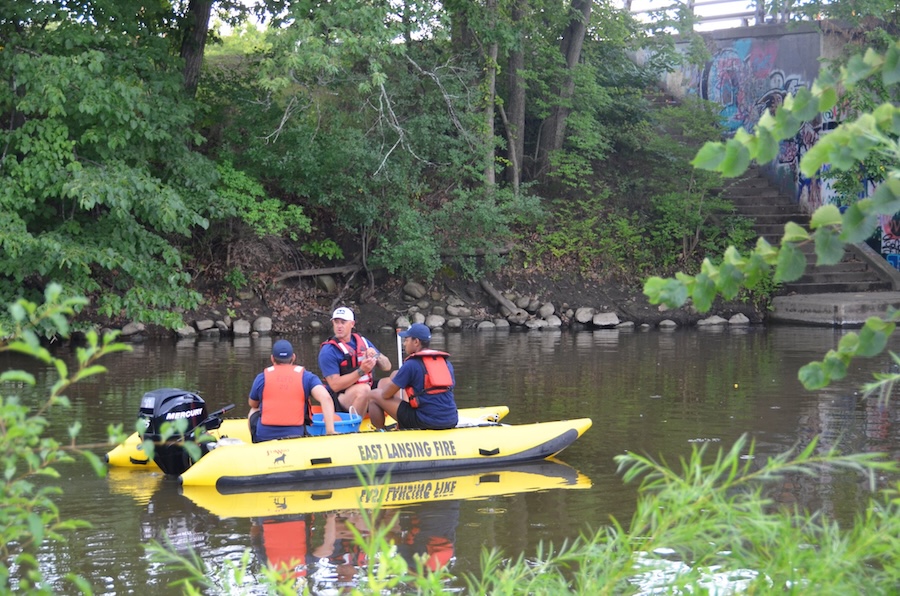
ELFD’s staff must be well prepared for everything – especially the emergencies that no one expects.
“Unfortunately, the February 13 shooting on campus, we had been training for years prior to that. I want to say over 10 years prior to that event. And yet, the event that we never thought would actually come knocking on our door occurred. And everybody was ready for that,” Newman said.
Because Michigan State University doesn’t have a fire department and depends on ELFD for services, East Lansing firefighters must be prepared to handle emergencies that pop up on campus.
Firefighters go on tours of campus buildings as often as they can – especially spaces containing chemicals and radiation, like MSU’s Facility for Rare Isotope Beams.
“It keeps people fresh with the interior of the buildings, the activity within the buildings as things change. Things are always changing. As far as chemistry and research facilities, those private research projects are always changing,” Newman said.
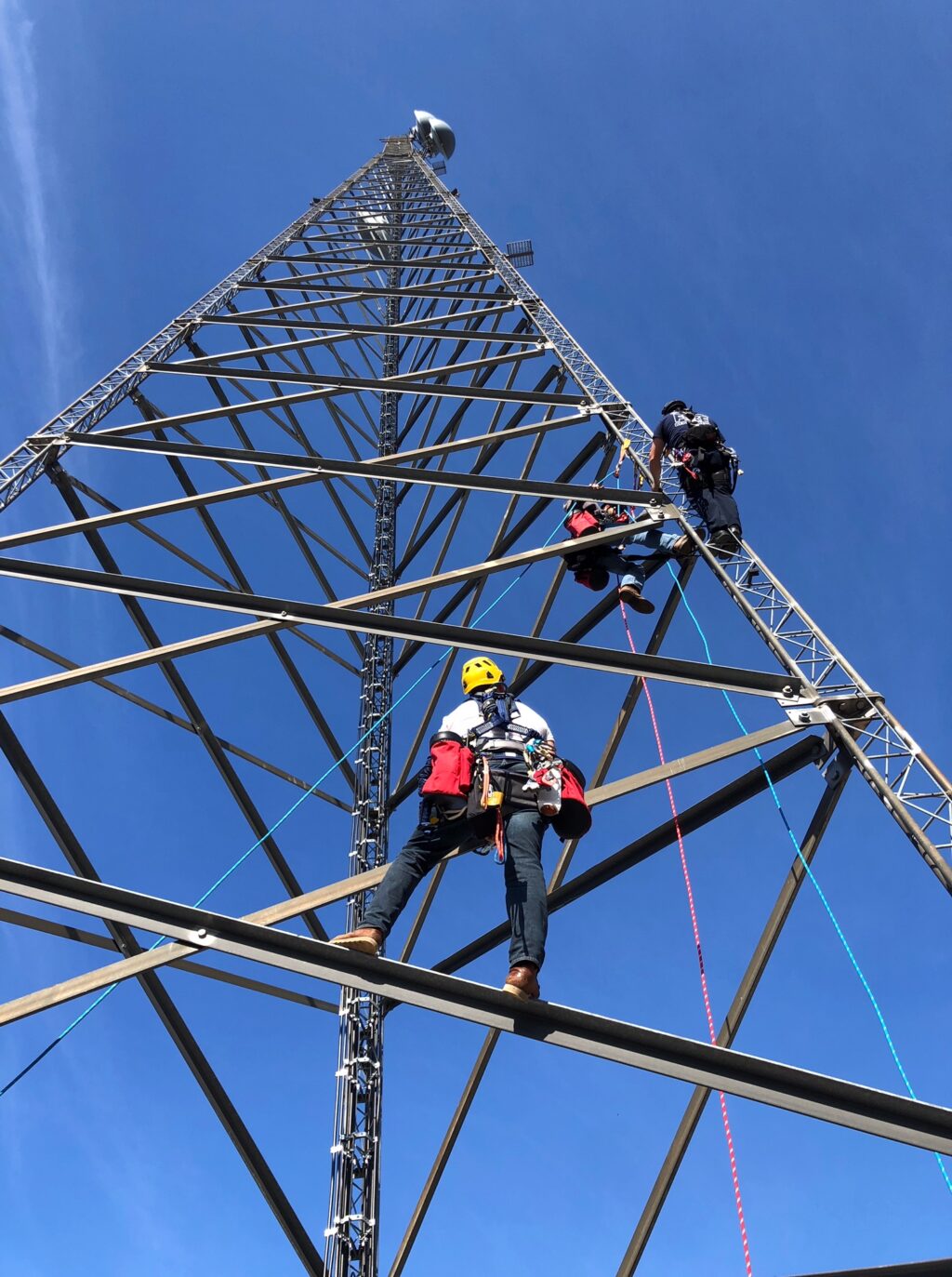
As technology evolves and the fire department updates its equipment, firefighters must learn how to use new life saving tools.
“We do carry portable ventilators on our ambulance, which are something new for us and new for the area,” Newman said.
“It’s a benefit for us because we have one specific site that is a ventilatory care facility. And when patients come out of there that are in need of emergency transport for any other reason besides respiratory, we can maintain that respiratory rate for them.”
Newman said the fire department’s calls for service have roughly doubled over his 25 years with ELFD but staffing levels have remained relatively steady.
“There’s an increased demand on your emergency response departments, and it’s the same number of people attempting to continue providing that service over time,” he said. “It can be overwhelming.”
With the increased calls and diverse array of emergencies East Lansing firefighters must be prepared to respond to, Newman finds himself grateful for the employees who have stuck with ELFD for years and kept their expertise with the department.
“That concentration on that succession plan to keep things moving forward for the department – it’s getting better,” he said. “And the dedication of the membership to maintain that is probably the one thing I think is the greatest benefit.”