
Massive Apartment Proposal Faces Questions About Parking, Tax Incentives at City Council Meeting
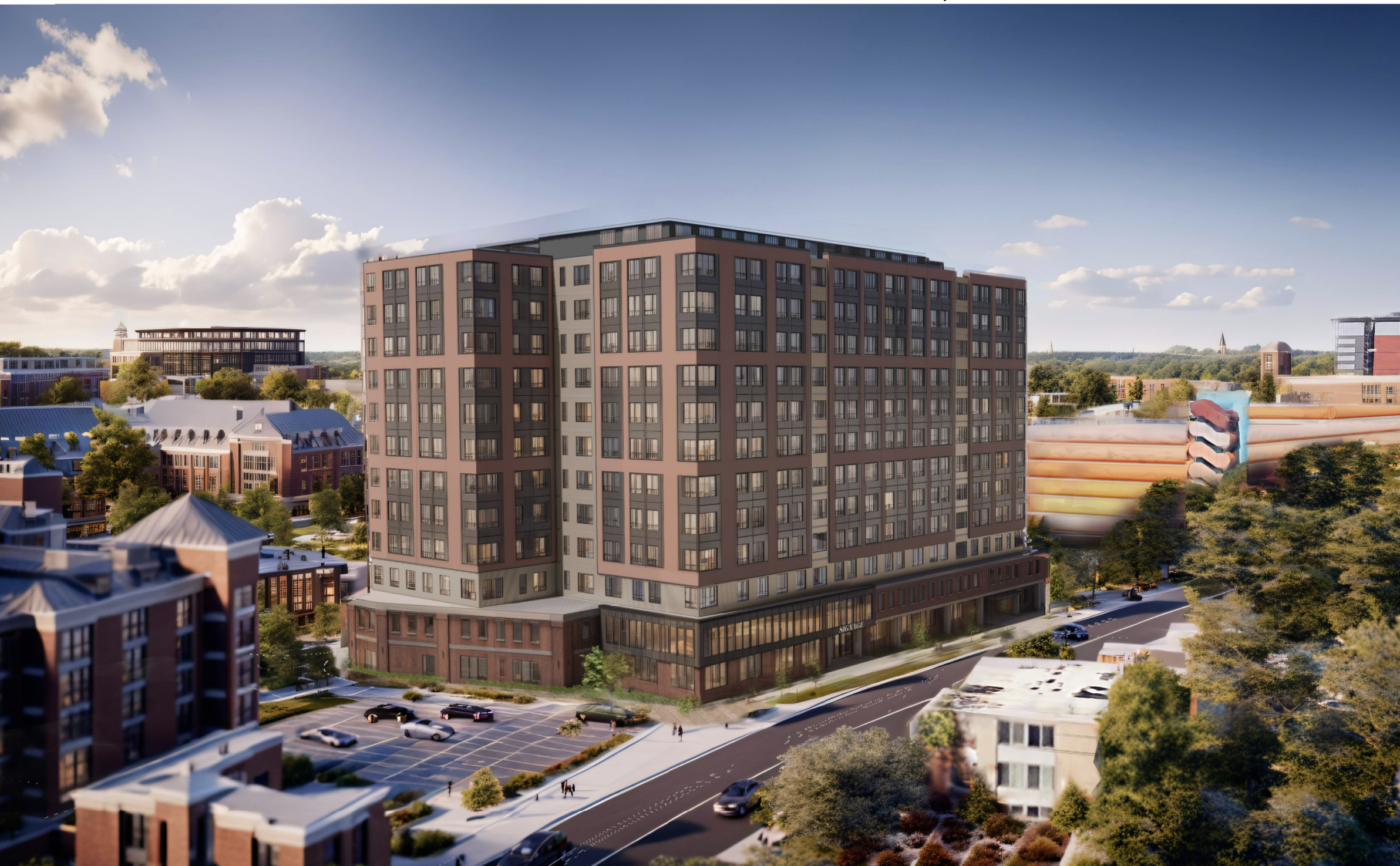
The East Lansing City Council held a public hearing for a proposed 13-story apartment that would be built downtown. Some members of council said they are open to development in the area, but had reservations about approving the apartment as-presented at Tuesday’s meeting.
Developers are proposing to build an apartment building at 530 Albert Ave, a site that is currently a surface parking lot. The apartment, proposed by Minnesota-based Tareen Development Partners, would house 505 people in 236 units, with studio, one, two and three-bedroom apartments. Monthly rent for the apartments would range between $1,400 for a studio to more than $4,000 for a three-bedroom.
In addition to the apartments, developers plan to add two floors of public parking and a community coffee shop. The apartment would include amenities like grilling stations, a pet spa, basketball court, and indoor pool and spa.
Parking, traffic and ambiguity around the developer’s plans to meet the city’s diverse housing requirement were concerns raised by members of City Council at Tuesday’s meeting. Council did not take action on the proposal this week. It could be voted on at council’s March 17 meeting.
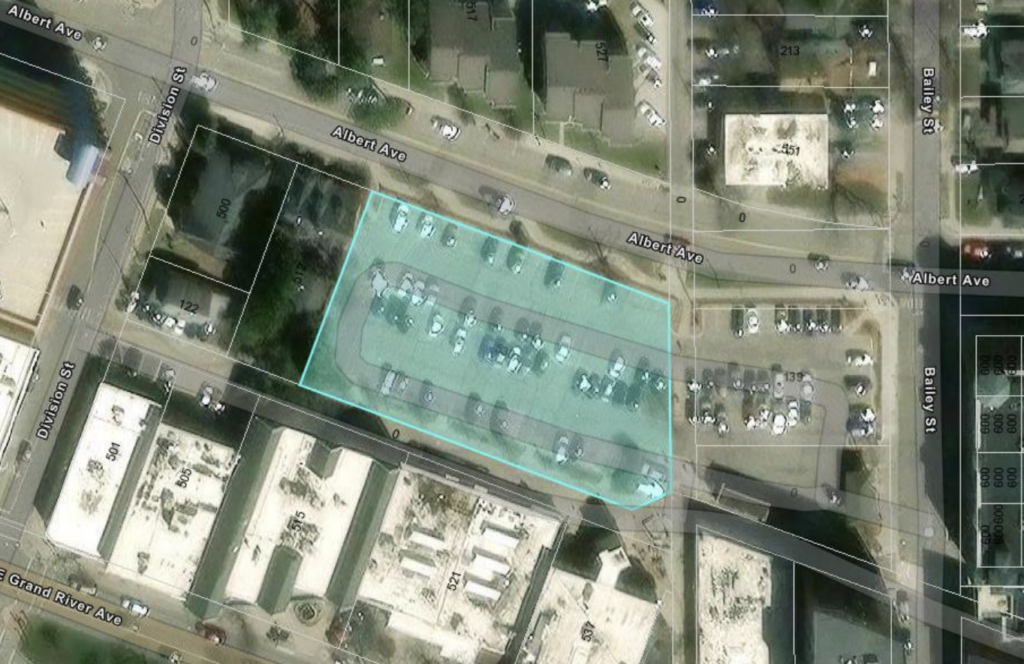
Parking was once again a concern with the proposal. Developers will replace the surface lot at the location with two floors of public parking in the new development, but the plan does not include parking for the building’s residents.
The city has about 430 spaces available to lease in its garages and would be comfortable leasing half of those to new developments. Previously at a Planning Commission meeting, Cody Dietrich, vice president of development for Tareen, said developers would like to purchase between 120 and 150 spaces to be used by residents, estimating that between 20 and 30% of tenants will have cars.
A second question mark about the project is how developers will meet a requirement that 25% of units in new downtown housing projects diversify the area’s housing stock, like including owner occupied or moderately priced units.
The developer is currently proposing the requirement be met by making a quarter of the units in the apartment affordable. The units would need to be affordable to people making 80% of the area median income and it is unclear from the proposal what these units would be priced at.
In order to make one-quarter of units affordable, developers say they would need the city to agree to a payment in lieu of taxes. This means the developer would pay a reduced fee instead of property taxes for the affordable units.
It’s unclear what the payment in lieu amount would be on the project, but Dietrich said Tareen is working on an affordable project in Ann Arbor where it pays just $1 per unit instead of property taxes.
For months, the city has discussed altering its diverse housing requirement or introducing a fee-in-lieu program that would allow developers to pay into a fund, instead of meeting the requirement, as developers have said the requirement can be prohibitively expensive.
At the meeting, Councilmember Steve Whelan said he supports lowering the requirement to “closer to 10%” of units. Dietrich said developers would reassess the project if the requirement was 10%, and may not not need the tax break.
Councilmember Mark Meadows questioned ambiguity surrounding developers plans to meet the diverse housing requirement. Developers have also floated the idea of building a second structure, possibly condos, on Abbot Road near City Hall to meet the requirement.
“I feel like we don’t have a diversity plan in front of us,” he said. “I feel like we have maybes.”
The public hearing featured a few comments both in favor and against the proposal. Management from the Wild Goose Inn, which is near the proposed site, said they are worried about the impacts traffic, parking and the proximity of the new apartment would have on their business.
What if it fails? Mayor Erik Altmann wonders what happens if new apartment can’t fill its rooms.
With developers proposing expensive apartments and a widespread fear of an enrollment cliff looming for American universities, Mayor Erik Altmann asked what happens if the apartment is not able to fill its units.
“What I’m worried about is a project that doesn’t work out and then we’re stuck with it,” Altmann said. “We can’t sell it, it’s there. We can’t get rid of it, right, once you build it.”
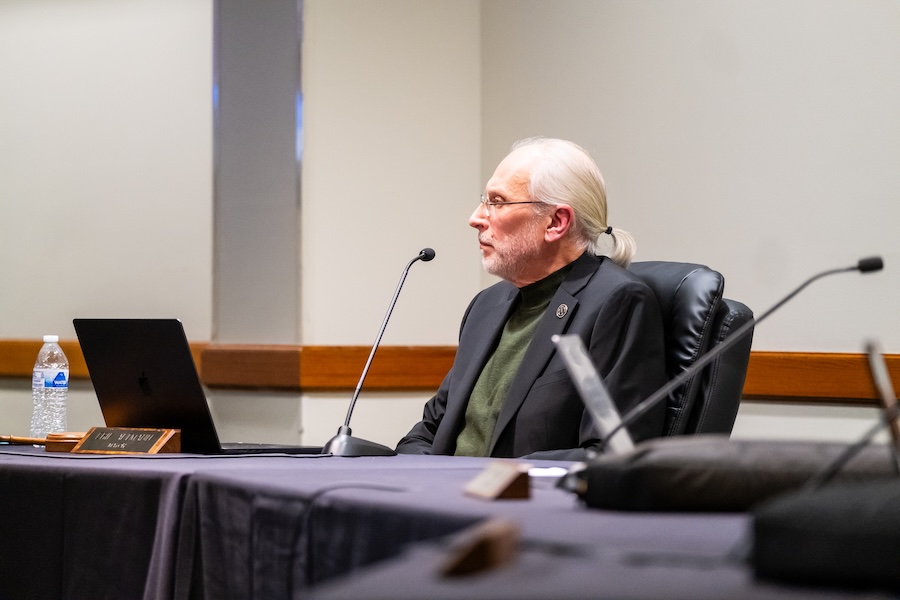
Dietrich said the developer would have to cover the bill if the project takes a loss, though he said he’s confident there’s demand for apartments near MSU’s campus. He added that developers are constantly taking risks and short-term losses, and that Tareen has spent about $500,000 pursuing the project in East Lansing, money it would lose if council rejects the proposal.
Developers can try to reposition projects that don’t meet expectations, Dietrich said. While the building is currently marketed to students, if there wasn’t strong interest developers could adjust the apartments to attract other parts of the community, like seniors or families.
“It would get reused in some aspect,” Dietrich said. “I have seen in different markets where they maybe built in an up and coming redevelopment area that doesn’t have maybe the market behind it… The first group that did the development took it in the shorts, the second people did just fine.”
If there isn’t strong interest in the apartments, rent prices may be lowered, Dietrich added.
“The building will operate fine, it will always be full,” he said. “People will have to reduce their rents if possible, and then that’s just a landlord problem.”
During his presentation, Dietrich highlighted enrollment statistics for Michigan State University, showing the university has had a steady enrollment rate over the last decade and has been receiving more applications in recent years. He added that developers believe factors like MSU’s large investment in sports will continue to draw students to the university.
Without a vote, the proposed apartment will return to council at its next business meeting on March 17.