
Human Rights Commission May Be Blocked From Key Records in East Lansing Police Probe
The East Lansing Human Rights Commission may not receive records and body camera footage it says are vital to carry out an investigation of alleged police brutality that has been the center of controversy in East Lansing over the last several months. The commission will likely need Mayor Erik Altmann to strike a nearly $900 fee for the commission to receive records.
In August 2025, an East Lansing police officer deployed pepper-spray on two Black men downtown during Michigan State University’s welcome weekend. Police later issued a misleading press release that named the two men and said they were charged with crimes related to fighting.
Security footage later released by the attorney for the men, however, painted a much different picture. The footage appears to show a relatively minor altercation that featured some pushing and shouting. It also appears as though one of the men pepper-sprayed, arrested and named in the press release, Lonnie Smith, stepped in to act as a peacekeeper and pull his friend away from the men he was arguing with.
The incident has since become the subject of two lawsuits filed in federal court.
As part of the Human Rights Commission investigation, commissioners are investigating officers Andrew Lyon, who deployed the pepper spray, and Jacey Kingsbury, who used explicit language during an arrest. Previously, the commission filed a Freedom Of Information Act, or FOIA, request seeking records to see if officers displayed a pattern of racial bias around the time period of the pepper-spray incident. The commission requested the officers’ arrest records, police reports, and demographic data of individual encounters during Friday, Saturday and Sunday nights for seven weeks in August and September 2025.
“What we’re looking for is actually witnessing the interactions … in [a] similar time, in a similar situation, and just seeing how these officers respond to different groups of people,” Commissioner Karen Hoene said at Monday’s meeting.
The city gave training documents, but said there will be an $887.27 fee for the rest of the records, as cities may charge a fee for the staff time it takes to fulfill FOIA requests. At the February commission meeting, members of the Human Rights Commission balked at the cost and said the fee should be waived because the records are needed for the city commission to carry out its work.
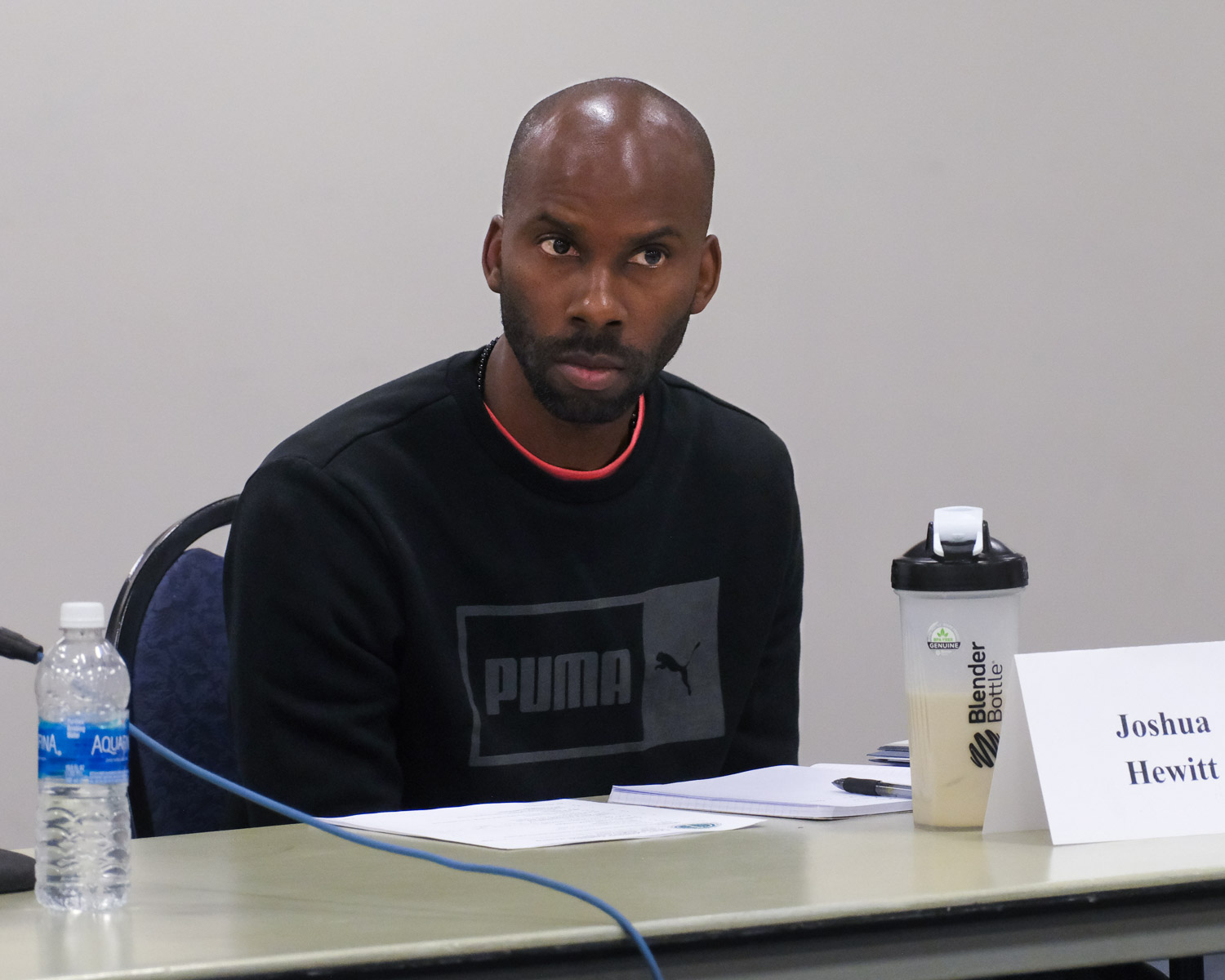
The commission has appealed the fee to Mayor Erik Altmann. The commission filed the appeal Wednesday, March 4 and Altmann has 10 business days to respond, Commissioner Joshua Hewitt toldEast Lansing Info. An appeal could also be filed in circuit court.
If the effort to appeal the fee fails, the commission is running out of pathways to obtain the records.
Previously, the commission discussed possibly crowdfunding the money through a website like GoFundMe. At Monday’s meeting East Lansing Director of Diversity, Equity and Inclusion Elaine Hardy said the commission has no mechanism for receiving donations, and funding to the commission must be obtained through City Council.
With questions still remaining about what the commission will be able to obtain to carry out its investigation four months after the complaints were filed, commissioners wondered if it is time to issue its findings if the appeal is denied. They have collected witness testimonies and interviewed the parties involved, except for the officers, who did not respond to the commission’s email request.
“If the FOIA is denied … should we pursue it any further?” Commissioner Matthew Boughton asked. “We have done our due diligence, we were roadblocked, the natural consequence of that roadblock is we make a decision based on the information that we have.”
The commission agreed to discuss the investigation at its next meeting on April 13, where it could issue its findings.
Correction: This story initially stated the appeal was filed March 6.