
The Millionaire Nurse
Tony Bailey’s life has followed the working class Michigan archetype.
He grew up in Davison, where the population has hovered between 5,000 and 6,000 for the last 50 years. His father worked for General Motors, his mother cut hair part time out of the family home, and he attended Michigan State University, studying to become a nurse.
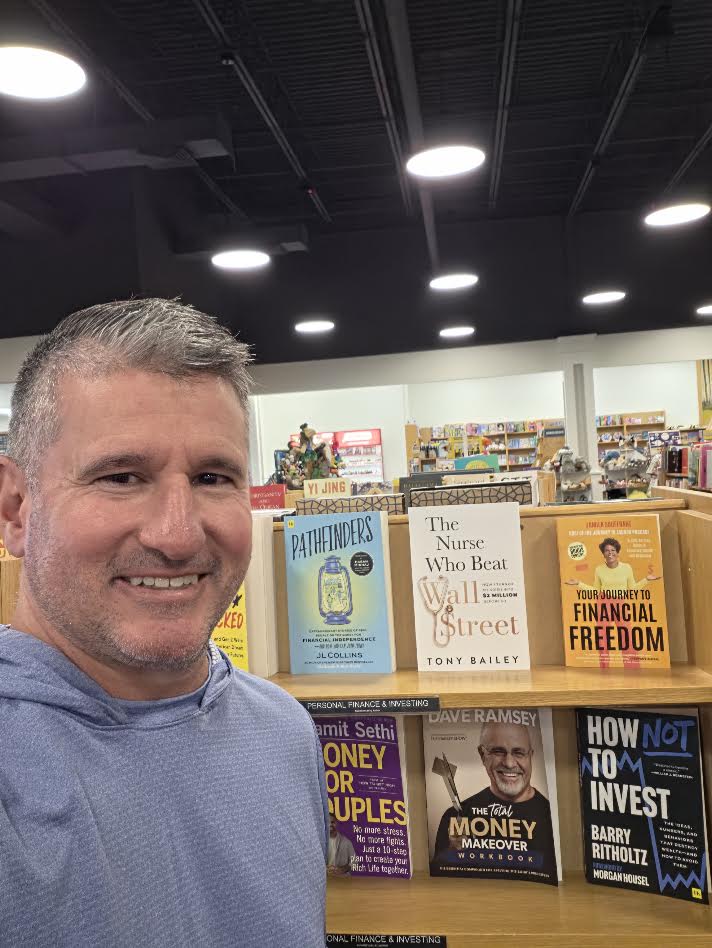
One small detail makes Bailey an outlier: He’s a millionaire. And he’s sharing his story in his new book “The Nurse Who Beat Wall Street: How I Turned My 401(k) Into $2 Million Before 50.”
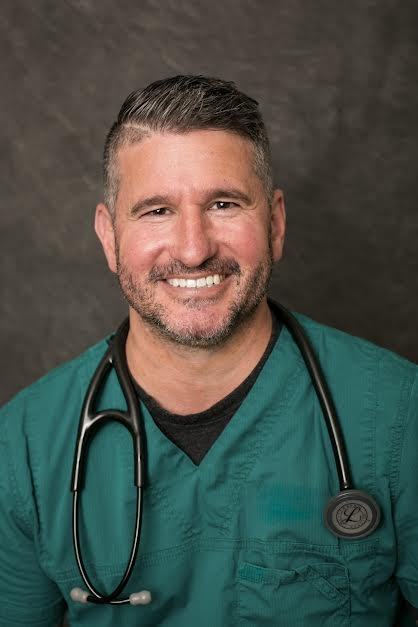
Bailey has lived in East Lansing for 26 years and works at University of Michigan Health-Sparrow Hospital. He also teaches nursing students at Lansing Community College. But his financial goals began long before his career goals took shape.
“When I was at a young age, I set out a goal to become a millionaire by the time I retired,” he told East Lansing Info in an interview. “It just happened so much faster than I anticipated.”
He credits compound interest and investing substantial amounts of money into his 401(k) early in his career.
“Those early dollars worked extremely hard,” he said. “I didn’t understand or appreciate [compounding interest]. It was boring, but it was boring until it wasn’t.”
The millionaire nurse is unassuming and affable, possessing both the manners and modesty associated with “Midwestern nice.” Despite his passion for investing and financial success, he is careful that his advice and story don’t come across as boastful.
“I grew up working class,” he said. “I saw the work ethic in both my parents, but I didn’t grow up wealthy. But they had a dedication to their jobs and their grit helped me in my career, as well.”
Bailey said that despite their shared hard work and grit, his parents differed in their approaches to money. His father was “kind of cheap” and liked to save money, investing in mutual funds. His mother, however, was “more of a spender” but never lived beyond her means.
Despite his own success with saving and investing, Bailey said he never evangelized about his financial knowledge and experience.
“Up until when my book came out, nobody really knew,” he said. “I didn’t tell anybody that I was a millionaire. I didn’t share my 401(k) value. But, I took care of patients and dealt with mortality. Some of them realized at the end of their life …these people had regrets that really bothered them. They had things they had accomplished, but they talked about those regrets.”
Those experiences made Bailey realize he would regret not helping others, particularly nurses and working-class people, achieve financial security.
And he’s already seen the impact. He said readers have told him they hadn’t looked at their retirement accounts in years, but his story helped them overcome their reluctance.
“That’s what I really want,” he said. “To get people engaged and pay a little more attention to it.”
Bailey said the road to financial security begins early, when someone gets their first job with the opportunity to contribute to a retirement fund or 401(k). If an employer offers matching contributions, he said it’s important to take advantage of them. As raises and pay increases come, he recommends increasing retirement contributions.
“Get in the habit of investing first before you have that opportunity to spend it,” he said. “Start young and let that money work hard for you. You’re going to work hard over your career and your money should be working hard for you as well.”
He smirks when asked what kind of car he drives.
“A 2022 Grand Cherokee [Jeep],” he responds.
“We’ve got social media that glamorizes these flashy cars and big houses and jewelry. They glamorize depreciating assets, so I stay away from the get-rich-quick things. I like long term investing and building wealth.”
Bailey said he and his wife drive used vehicles, eat most of their meals at home and shop at Costco and Sam’s Club.
“We look for deals,” he said.
They avoid most streaming services — “they slowly eat away” at savings — and brew their own coffee at home.
“If we’re making a big purchase, we sit on it for a day or two,” he said. “There’s always good communication with my wife and myself about whether [it’s] something we need so and we’ve got to agree on that.”
Bailey said he might retire at 55 because of a rule that allows individuals to access their 401(k) funds at that age without an early withdrawal penalty.
“I’ve worked hard and saved and I think about enjoying [retirement] while I’m still young enough to do something,” he said. “I don’t think I’ll completely retire. I could see myself continuing to teach.”
His book, “The Nurse Who Beat Wall Street,” is available at Schuler Books in Okemos and the Sparrow Hospital gift shop, as well as on Amazon.
But he’s hoping the East Lansing Public Library gets a copy soon.
“I know money’s tight for people,” he said. “I want them to be able to check it out without having to spend money.”