
Advocates Say Increasing Shelter Space, Training Among Ways to Assist Local Homeless Community
When East Lansing considered ordinance amendments to ban public camping earlier this year, it exposed a lack of resources for the unhoused community locally.
While communities often respond to unhoused people by making new rules to limit where they can stay or putting up signs to discourage activities like panhandling, advocates believe the real issue is a system struggling to keep up with increasing homelessness.
“When you have a problem of this scope, of this degree, it’s not easy to have a good response,” said Susan Cancro, executive director of Advent House Ministries, a Lansing organization that provides services to unhoused people.
“It’s very likely that your response is going to be less than what your community really wants or needs, because you can only do so much.”

In Cancro’s 32 years working with people experiencing homelessness, she’s seen what it takes to become housed and areas that resources are lacking. Locally, there isn’t enough shelter space, she said.
“The shelter systems in our communities have not kept up with the number of people who are out there who are homeless,” Cancro said.
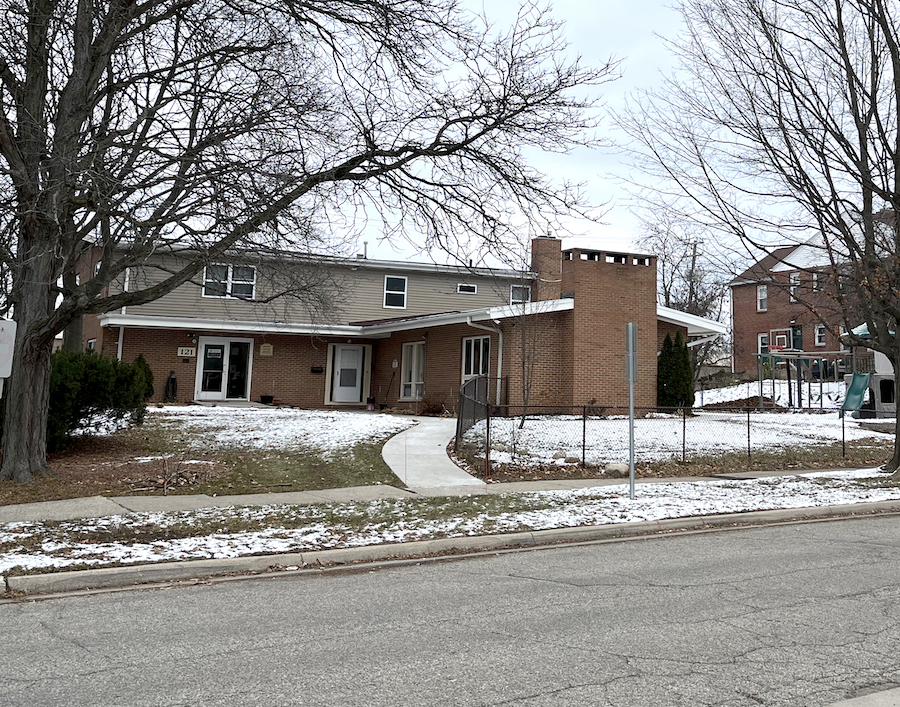
East Lansing’s only homeless shelter is Haven House, which focuses on housing families, not individuals, and is consistently full. When East Lansing considered a camping ban, advocates accused city officials of attempting to push unhoused people into other communities.
When shelters are full, it can cause people to create encampments. For years, Mid-Michigan Tenant Resource Center Director Khadja Erickson has met with people living in Lansing-area encampments, learning why they have become unhoused and what their goals are.
“All of these people have every intention of going inside, they all intend to go inside,” Erickson said.
“You don’t just keep a collection of Elvis DVDs in 2025 because you intend to watch them at your encampment,” she continued.
It isn’t just a lack of shelter space, people could be living outside for a multitude of reasons – like if services aren’t accessible to them or shelters can’t accommodate their medical equipment. This often leaves homeless people with a lack of choices, some of which can land them in jail, Erickson said.
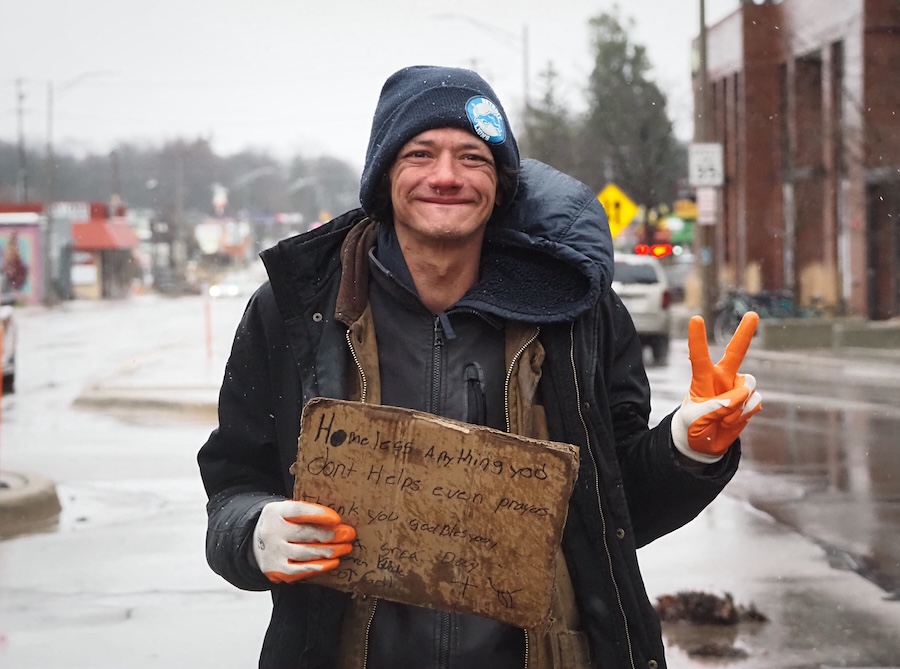
As East Lansing city leaders continue to discuss ways to address the city’s unhoused population, Erickson is hopeful that East Lansing and other local governments won’t turn to punitive measures.
“Adding on criminal charges, fines, jailing them for a period of time – it extends the amount of time that they spend in homelessness and puts them farther away from services,” she said.
In addition to increasing shelter space and services to help people obtain long-term housing, Cancro believes there should be advanced training for community leaders to help them understand the homeless community.
“I think we need to train police and fire and anyone else who might encounter people on an official basis in a community,” said Cancro.
“We need to create partnerships with service providers who may have more experience with this than these services that are local services,” she continued.
Cancro said this training should go beyond law enforcement and city employees that interact with the homeless community, saying training should be available to churches, volunteers and community groups.
“It doesn’t mean we’re gonna be a therapist, or provide therapy. It does mean that we understand how to come at situations without adding to the conflict or the chaos,” Cancro said.
Unhoused people are the same as any other community member, Erickson said, and they deserve respect and improved resources in order for them to continue interacting with the community.
“If those folks had the ample opportunity to engage with what we consider normal society, they would do it, and they would regularly do it,” Erickson said.