
East Lansing Leaders Eye Cuts, Revenue Options to Close Budget Gap
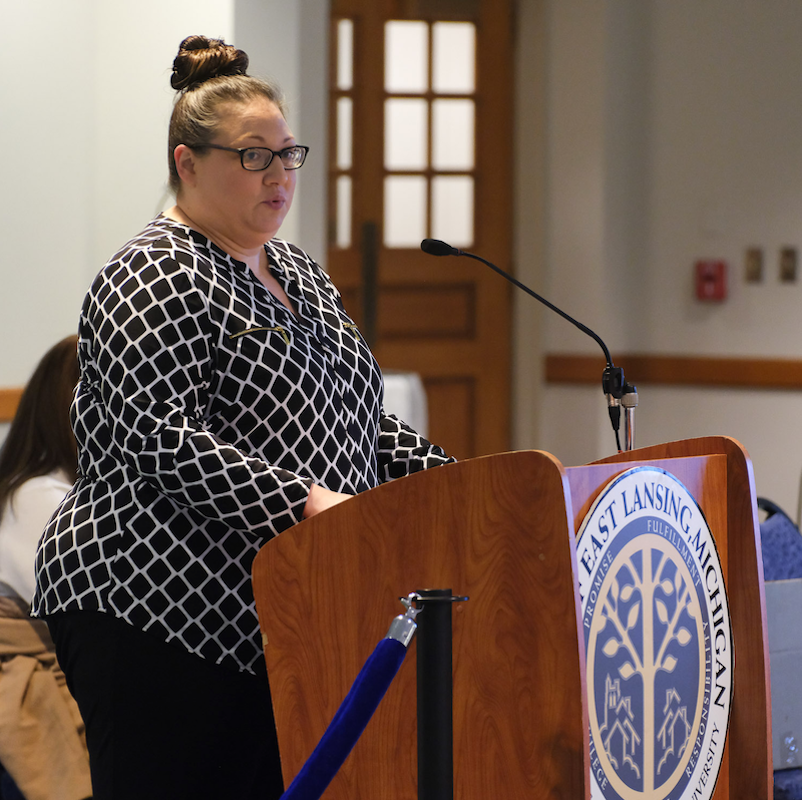
Budget season is officially underway in East Lansing, as the City Council heard an overview of spending and revenue at its meeting on Tuesday.
The presentation showed that the city is expected to operate with a surplus during the current fiscal year, and is budgeted to run with a deficit next year. Additionally, several city department heads revealed their budget proposals for the next fiscal year – giving insight to potential changes to local services.
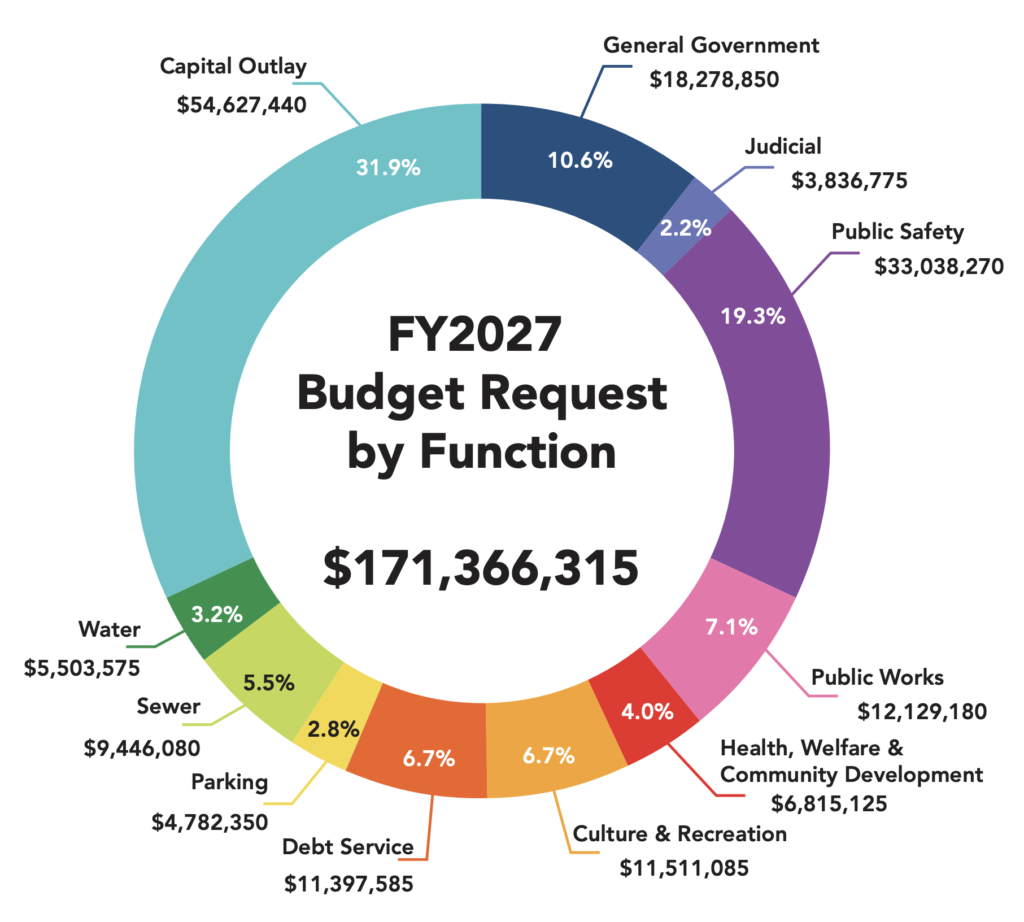
Across all departments, the city has a roughly $171 million budget for next year, a roughly $26 million jump from the current fiscal year. The increase is mostly due to the city taking on debt to pay for infrastructure projects, Chief Financial Officer Audrey Kincade explained.
The city’s general fund, which is the discretionary fund that can be spent across departments, is expected to finish the fiscal year with a more than $900,000 surplus after it was initially budgeted to run at a more than $2 million deficit. The $3 million difference between the initial budget and new expectation is due to roughly $700,000 in drain projects being pushed back, $1 million in savings from vacant positions, and income tax revenue being nearly $600,000 more than expected, according to the budget’s executive summary.
Additionally, the city received almost $800,000 from the Lansing Board of Water & Light franchise fee settlement. Even though the city itself was sued for $7.8 million for installing an illegal “disguised tax” in electric utility bills, East Lansing was able to recoup $800,000 because the city is a BWL customer.
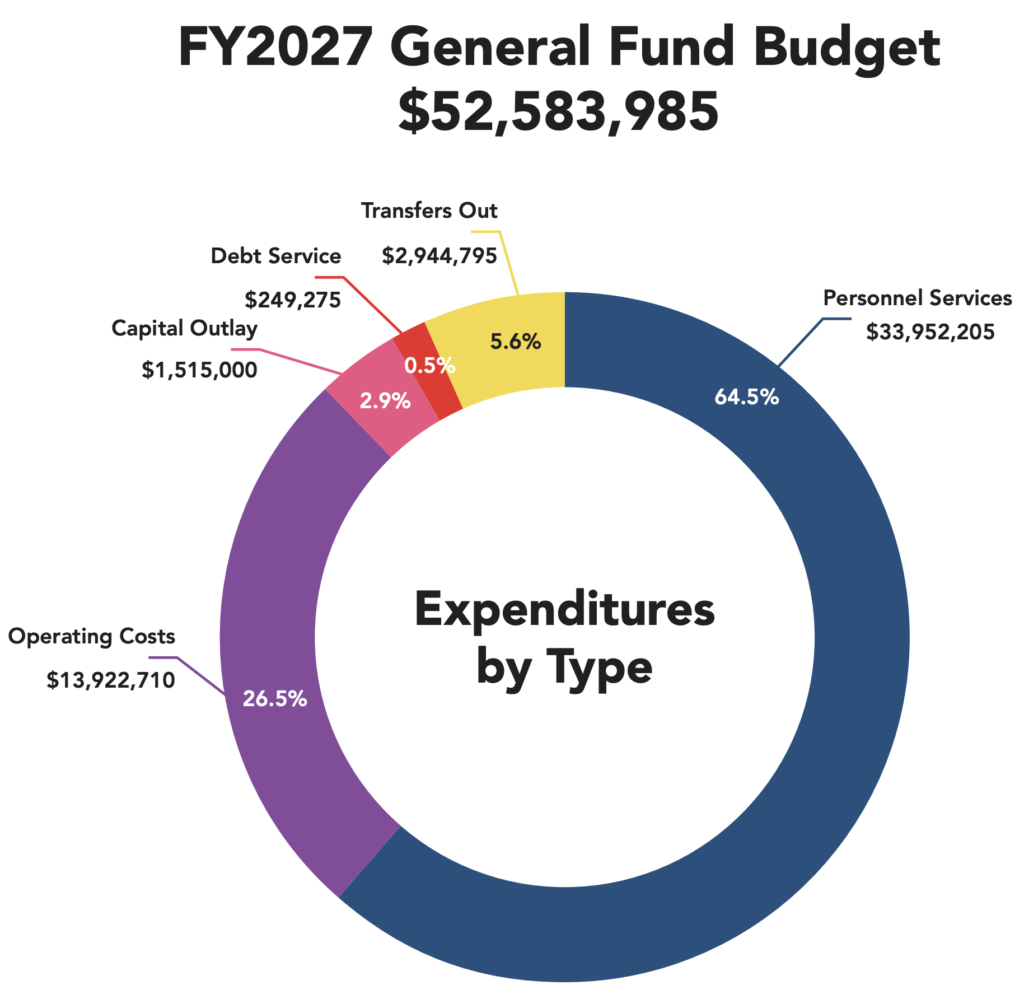
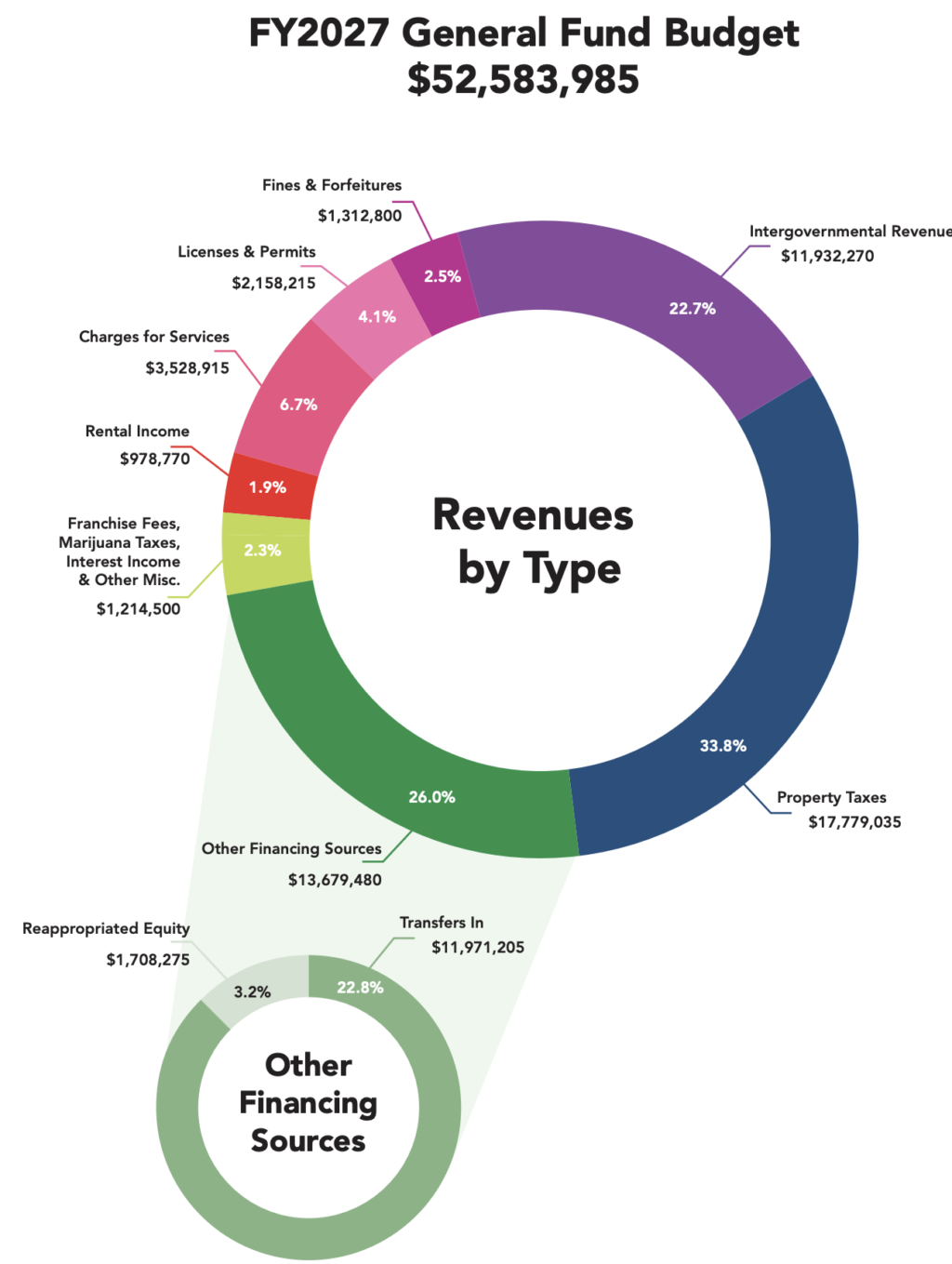
In the next fiscal year, which begins at the start of July, the general fund is budgeted for $52.6 million in expenses and to operate at a $1.7 million deficit. Unlike past years, the city included a “vacancy factor” of $643,000 in its budget for the next fiscal year.
The vacancy factor anticipates the savings the city will have by not filling all of its open positions.The inclusion of the vacancy factor is expected to pull the budget projection closer to year-end results and was a recommendation by a city committee reviewing local finances.
At the start of the next fiscal year, the city is expected to have about $12.7 million in reserve funds, Kincade said. While this is a healthy amount of reserves, for years city leaders have said the budget is buoyed by delaying large infrastructure projects and staff vacancies that leading officials hope are eventually filled.
Still, the projected operating deficit is a concern for city officials as just a year ago a projection presented to council showed the city going bankrupt within five years if it does not make adjustments.
Mayor Erik Altmann said at Tuesday’s meeting he would like to cut $500,000 off the $1.7 projected deficit. He said he would like to do this without making cuts to public safety, public works and departments that carry out core government functions.
Public safety and the department of public works alone make up more than 70% of general fund expenses, meaning one department or a few departments would need to lose a significant amount of their general fund contributions to make Altmann’s goal possible.
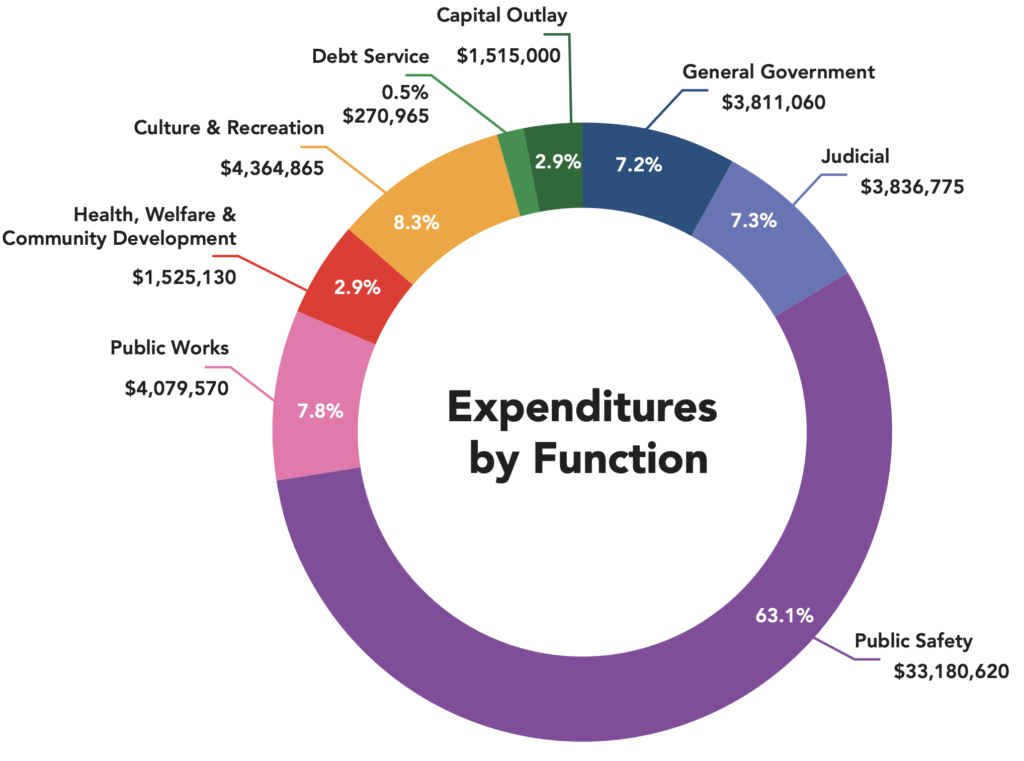
Besides giving an overview of the proposed budget for the next year, Kincade and city department heads gave presentations on department budgets and the city’s major revenue streams.
The income tax is providing more revenue in recent years.
The city has been collecting more money from the income tax in recent years, as the city has been more successful getting residents to comply with the tax since it was put in place in 2019.
The next fiscal year is budgeted to be the third consecutive fiscal year that the tax brings in more than $18 million. During the Tuesday meeting Treasurer Andrea Smith said the city hired an income tax administrator last year who calls residents and businesses, which has helped increase compliance.
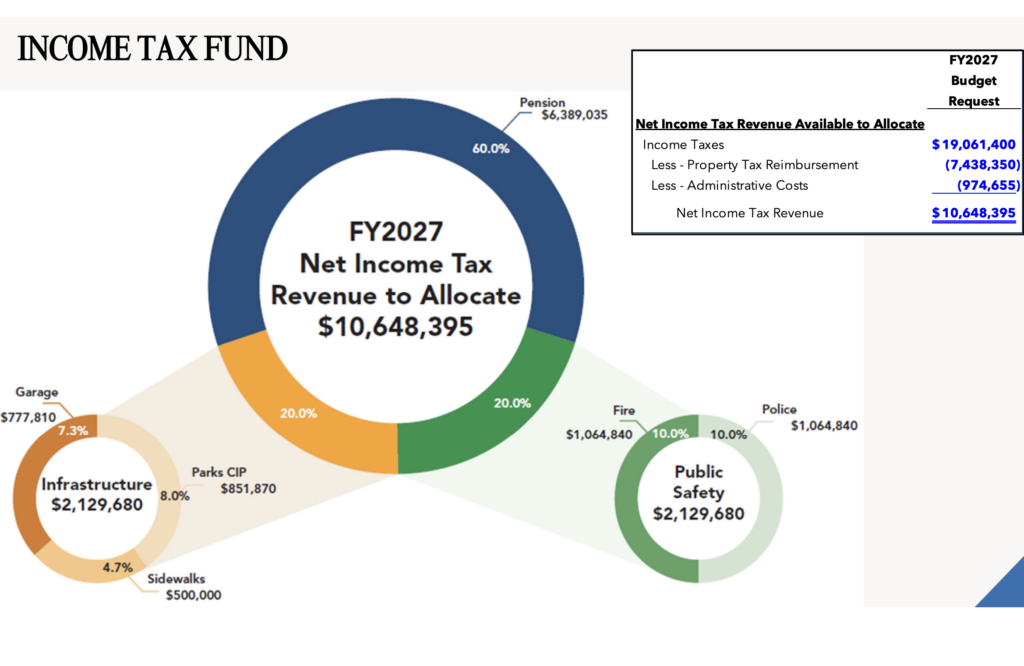
When voters approved the income tax, the new tax was paired with a five mill reduction in property taxes. Income tax funds reimburse the city’s general fund for the property taxes lost and administrative costs associated with applying the tax. After that, 60% goes towards paying down the city’s pension debt, 20% goes to public safety and 20% is spent on infrastructure.
Next fiscal year, the income tax is projected to bring in about $10.6 million in additional revenue for the city. Since the tax was implemented, it has collected an additional $47.2 million for the city, Kincade said Tuesday.
Unless voters opt to renew the income tax, it is set to sunset at the end of 2030. In response to a question from Councilmember Mark Meadows, Kincade said she thinks it’s time to start discussions about renewing the tax.
“That would be my recommendation to absolutely start those conversations,” she said. “I might recommend a different allocation of those funds. But I think it is absolutely time to talk about renewing the income tax.”
About 30% of discretionary spending is proposed to go towards ELPD.
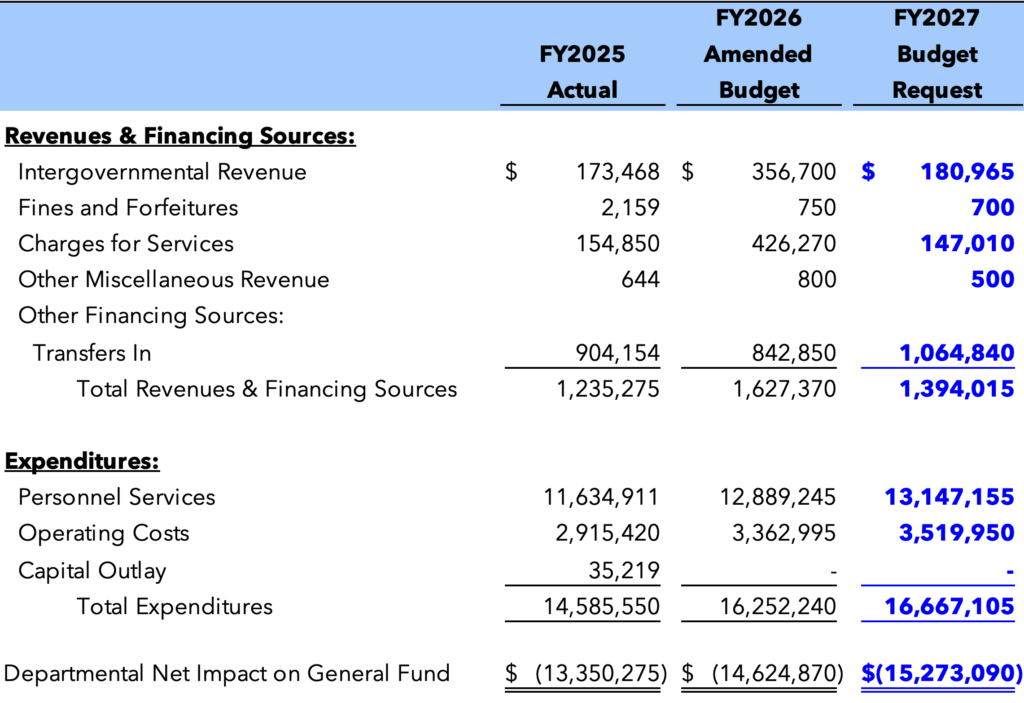
The East Lansing Police Department’s proposed budget is $16.7 million for the next fiscal year, a jump of about $400,000 compared to the current year. Most of the increase is due to rising personnel costs, Chief Jennifer Brown said at Tuesday’s meeting.
Policing is the biggest cost from the general fund, because the department has few other revenue streams. The police department is budgeted to have a $15.3 million net impact on the general fund, which is about 30% of the fund.
Beyond revenue from the city, the department has submitted grants that may provide funding for more Flock License Plate Reader cameras, the Advance Peace gun violence prevention program, training for officers and more, according to the budget document.
The fire department is almost fully staffed.
The Fire Department is proposing a roughly $14.4 million budget, which would carry a $6.5 million net impact on the general fund. The budget proposes a roughly $400,000 increase from this fiscal year, largely because of personnel costs.
Separate from what is included in the current budget proposal, Interim Fire Chief John Newman recommended the city consider starting a “savings account” to replace equipment. He explained that within seven years the equipment firefighters use to breathe in hazardous environments will need to be replaced, per federal standards. He suggested the city set aside about $77,000 per year, so the $500,000 it will cost to replace the equipment is easier to absorb down the road.
The fire department provides services to Michigan State University, and Newman said he wonders what impact this has on the city budget.
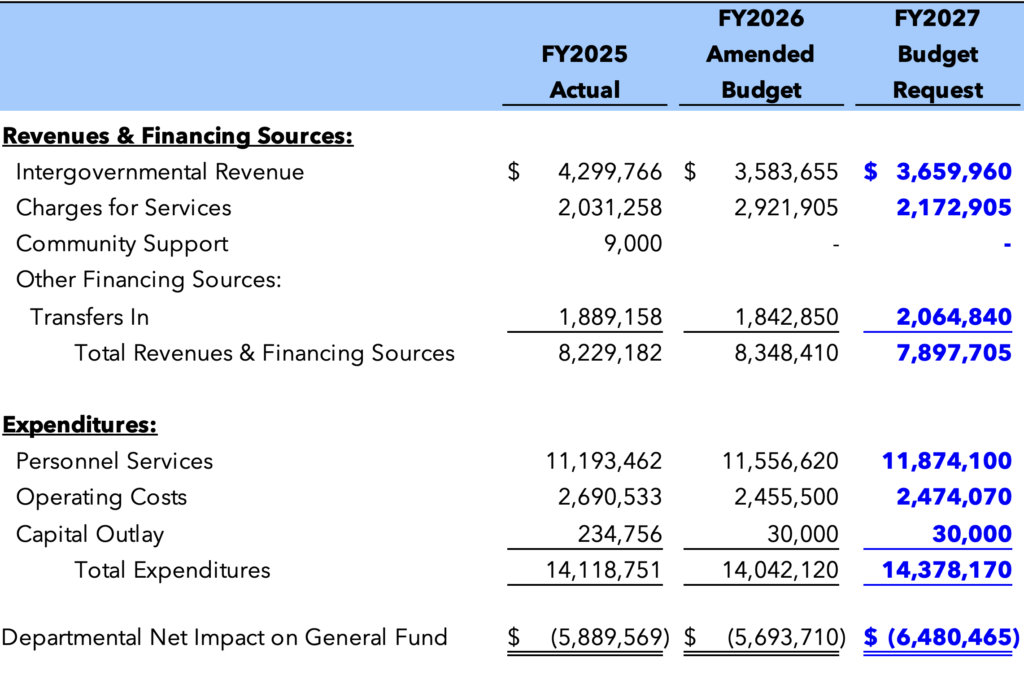
Newman explained that the city receives about $3.7 million from the state to respond to public buildings and about $326,000 from MSU to respond to its buildings in neighboring jurisdictions.
“One of the pieces that I think needs to be accomplished is a true breakdown of response, requirements, level of service required to those properties and then be able to come back with, where do those numbers balance out, how do they equate to each other?” Newman said.
The fire department is almost fully staffed, Newman added. On Monday, two new firefighter/paramedics started at the fire department, which brought the department to full staffing. However, one employee resigned this week, leaving one vacancy in the department.
Could the city start pooling block grant money with other jurisdictions?
Each year, the city receives money from the federal government that is intended to aid low and moderate income individuals in the community.
The funding comes in the form of Community Development Block Grants, and the city expects to receive about $400,000 next fiscal year. Federal guidelines require the city to spend a majority of the funding on infrastructure and administration. Fifteen percent of funds can be allocated to nonprofit organizations or public initiatives, which is called the public services allotment.
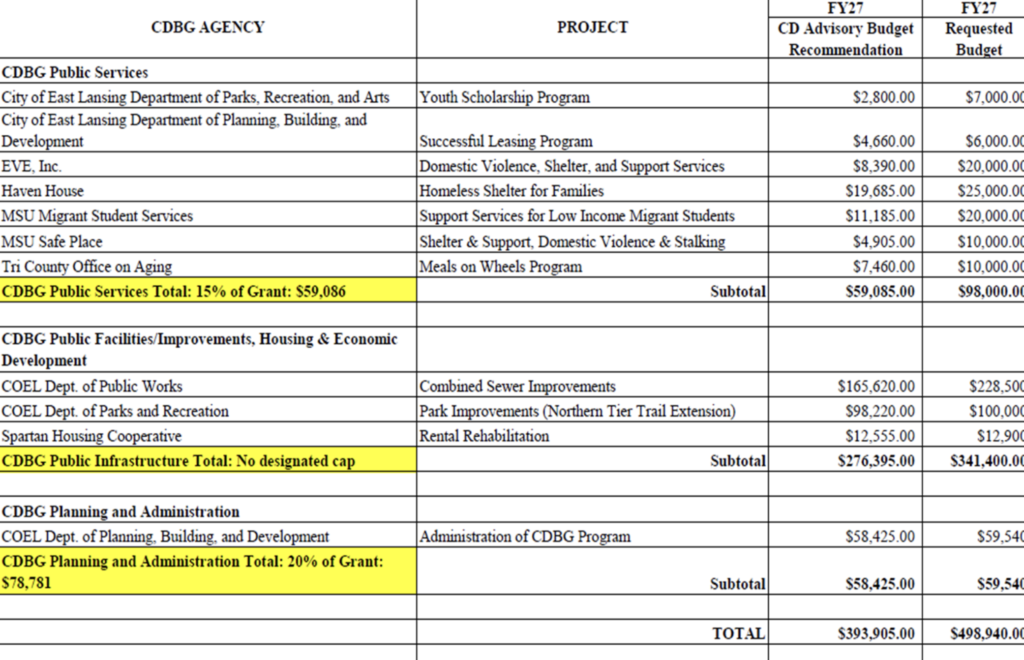
For the next fiscal year, the city has about $60,000 it would divide between seven applicants for public services funding. Councilmember Kerry Ebersole Singh said it may make sense to combine this portion of the funding with other jurisdictions to provide a larger amount of money to address a shared challenge, like providing resources to the homeless community.
Downtown Development Authority
The Downtown Development Authority, or DDA, is primarily funded by property taxes in the DDA district. The body’s budget has exploded over the last decade, after several high rise buildings were added to the DDA district, with more than $3 million in the DDA’s proposed budget for next fiscal year.
With the increased funding, the DDA has started picking up some costs that would otherwise fall on the general fund – like paying for street lighting, downtown police officers and a police social worker.
DDA Executive Director Lori Mullins said there are more opportunities for cost sharing, and the DDA could start paying for things like the city’s farmer’s market and downtown events.