
Council Approves Nearly Balanced Budget for Next Fiscal Year
The East Lansing City Council approved a nearly balanced budget for the next fiscal year at its meeting on Tuesday.
The budget carries a roughly $35,000 deficit, a very small fraction of the roughly $51 million general fund, and well below the amount of reserves the city expected to use just months ago. Across all funds, East Lansing has a roughly $170 million budget.
In the general fund, which is the discretionary fund that the City Council can allocate across departments, close to two-thirds of expenses go towards personnel and more than 60% of the fund is dedicated to public safety. The next fiscal year begins in July and the adopted budget is a starting point that can be amended throughout the year.
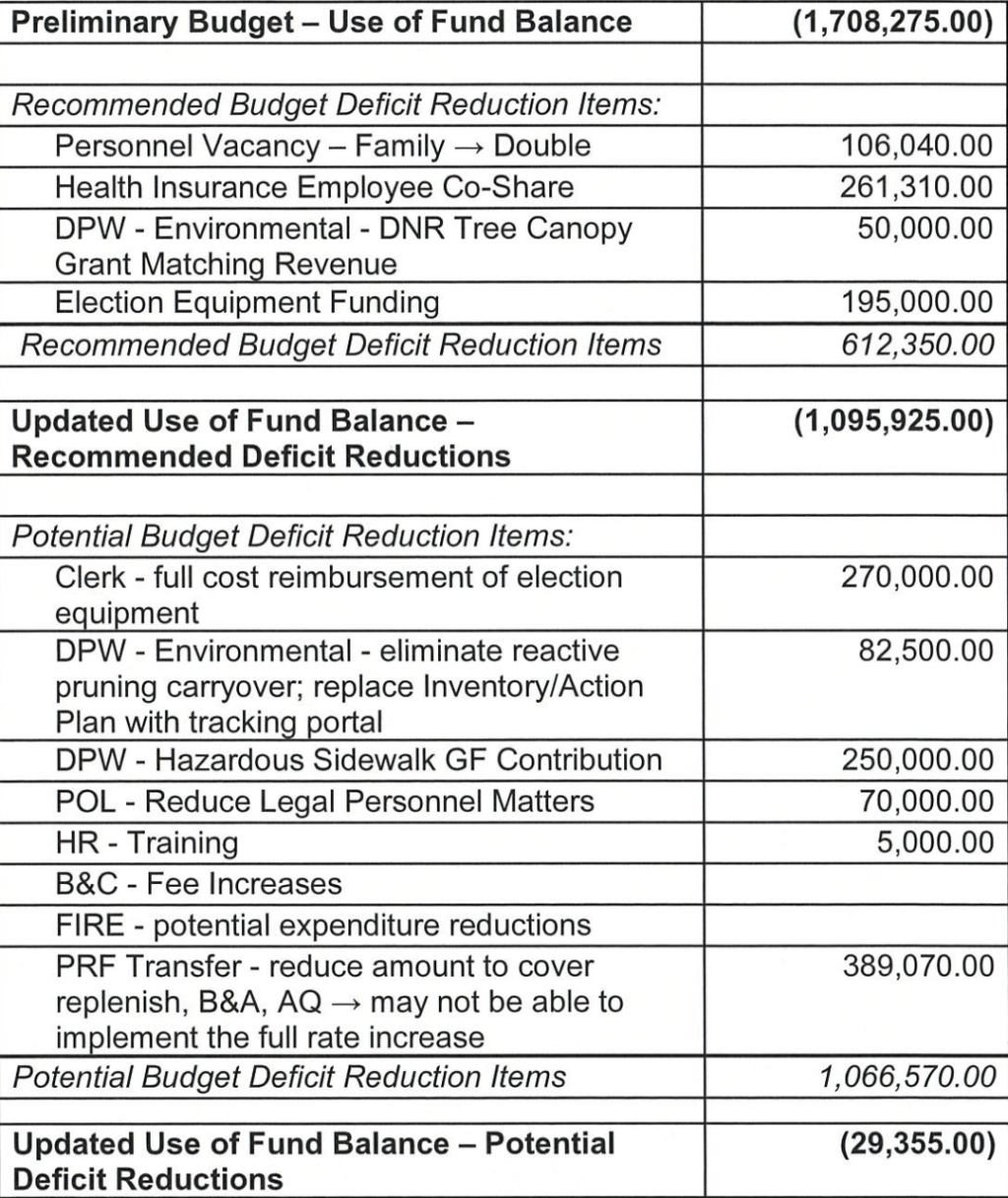
The budget approved at Tuesday’s City Council meeting looks notably different than when it was initially proposed to the City Council in April. An April 14 budget proposal included a $1.7 million deficit, even after more than $640,000 in savings due to staff vacancies were accounted for.
Later in April, City Manager Robert Belleman returned to the council with recommendations to cut away at the deficit. Belleman’s proposal included nearly $400,000 in cuts to the city’s Parks and Recreation Department, a decision that irked the parks’ advisory commission, which had already prepared its budget proposal.
Parks, Recreation and Arts Director Justin Drwencke built the cut into the department’s budget, largely by implementing fee increases across the programs and facilities overseen by the department.
Belleman’s adjustments to erase the deficit included savings as a result of changes to the budgetary process that don’t actually have direct implications on day-to-day operations. These adjustments include projecting more than $500,000 in savings because the city receives grant funding and more than $100,000 in savings by anticipating new employees will require a two-person healthcare plan, instead of a family plan.
Other changes made to nearly eliminate the $1.7 million deficit include putting a cap on employer contributions to the city’s healthcare plan, saving about $260,000, and slashing $250,000 from the general fund’s contribution to repair sidewalks. The income tax will still provide $500,000 for sidewalk repairs.
The only adjustments made to the budget at Tuesday’s meeting were putting $2,000 back into the city’s Human Rights Commission budget for mediation services and returning $6,000 to the Police Oversight Commission to pay for data analysis.
Previously, Belleman said the funds were removed because the commissions had not spent them in past years, but commissioners have speculated the changes were made as retaliation for criticism of the police department.
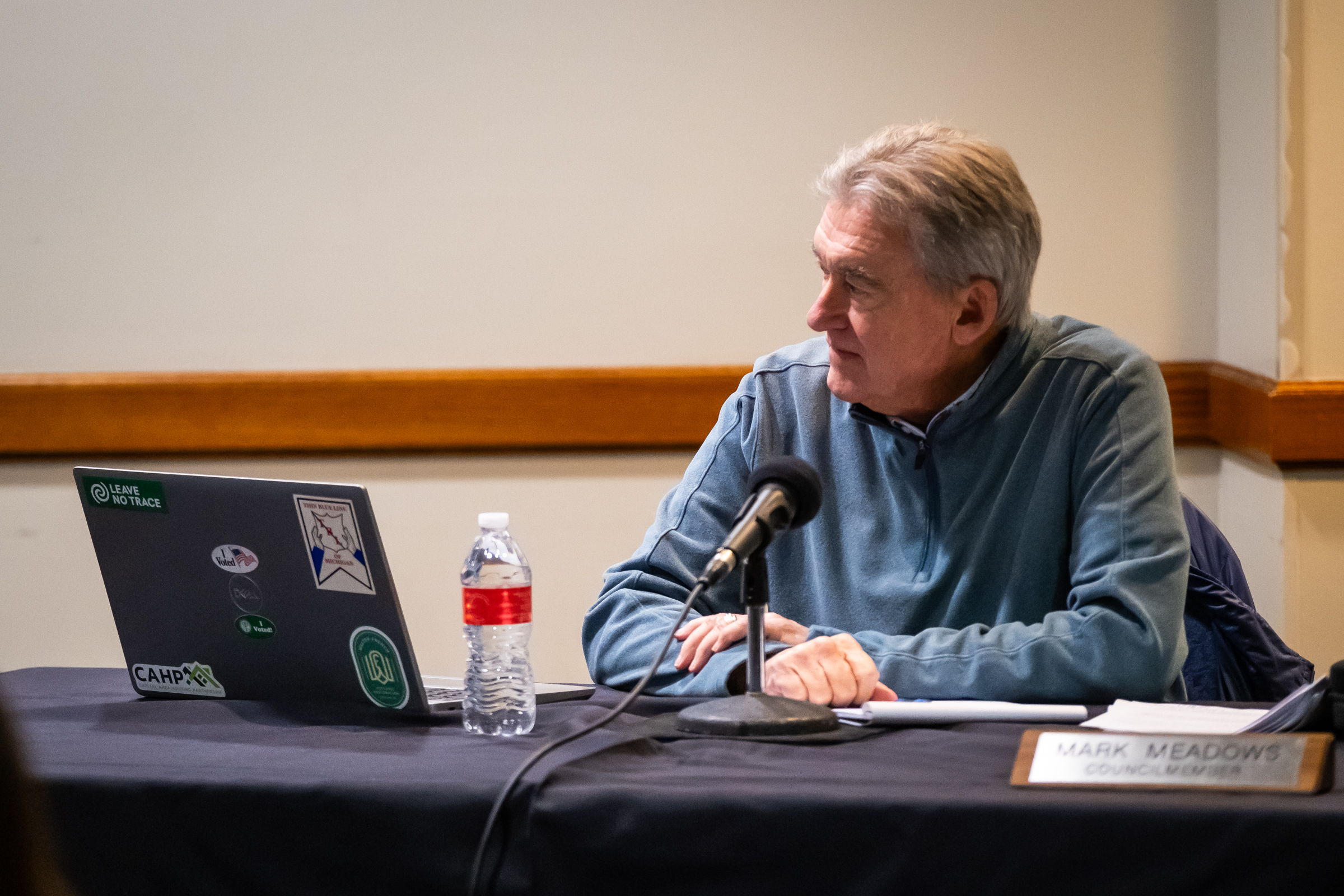
At Tuesday’s meeting, Councilmember Mark Meadows motioned to have the funding restored and said the oversight commission did spend the $6,000 to have Cedrick Heraux analyze police use of force data in 2024. He said initially removing the funding was an oversight.
Meadows added that he thinks the Human Rights Commission having $2,000 as a base amount for mediation services is “very important.”
A $37,000 cut is still built into the Police Oversight Commission’s budget, as funding to hold a community forum, receive training and hire a bias investigator was cut previously. Meadows said at Tuesday’s meeting that funding can still be added during the year.
The next fiscal year will start with a much sunnier outlook than recent budget cycles. Last year, the financial forecast was so bleak the City Council decided to put a new millage on the ballot that would have increased the property tax cap. Voters rejected the tax increase at the November 2025 election.
Mayor Erik Altmann said the budget passed represents positive steps, but because the city budgeted less conservatively, unexpected costs could be more damaging.
“By developing a more accurate picture of what we spend, we have lost a buffer for when bad things happen,” he said.
Altmann continued to say he doesn’t think the city is “out of the woods” with its financial challenges. He said vacancy savings will disappear if the city meets its hiring goals and he worries about grant funding not coming through.