

East Lansing City Council Presented With Nearly Balanced Budget for Next Fiscal Year
Months after warning of a bleak financial outlook following a failed parks millage, the East Lansing City Council was presented with a nearly balanced budget for the next fiscal year.
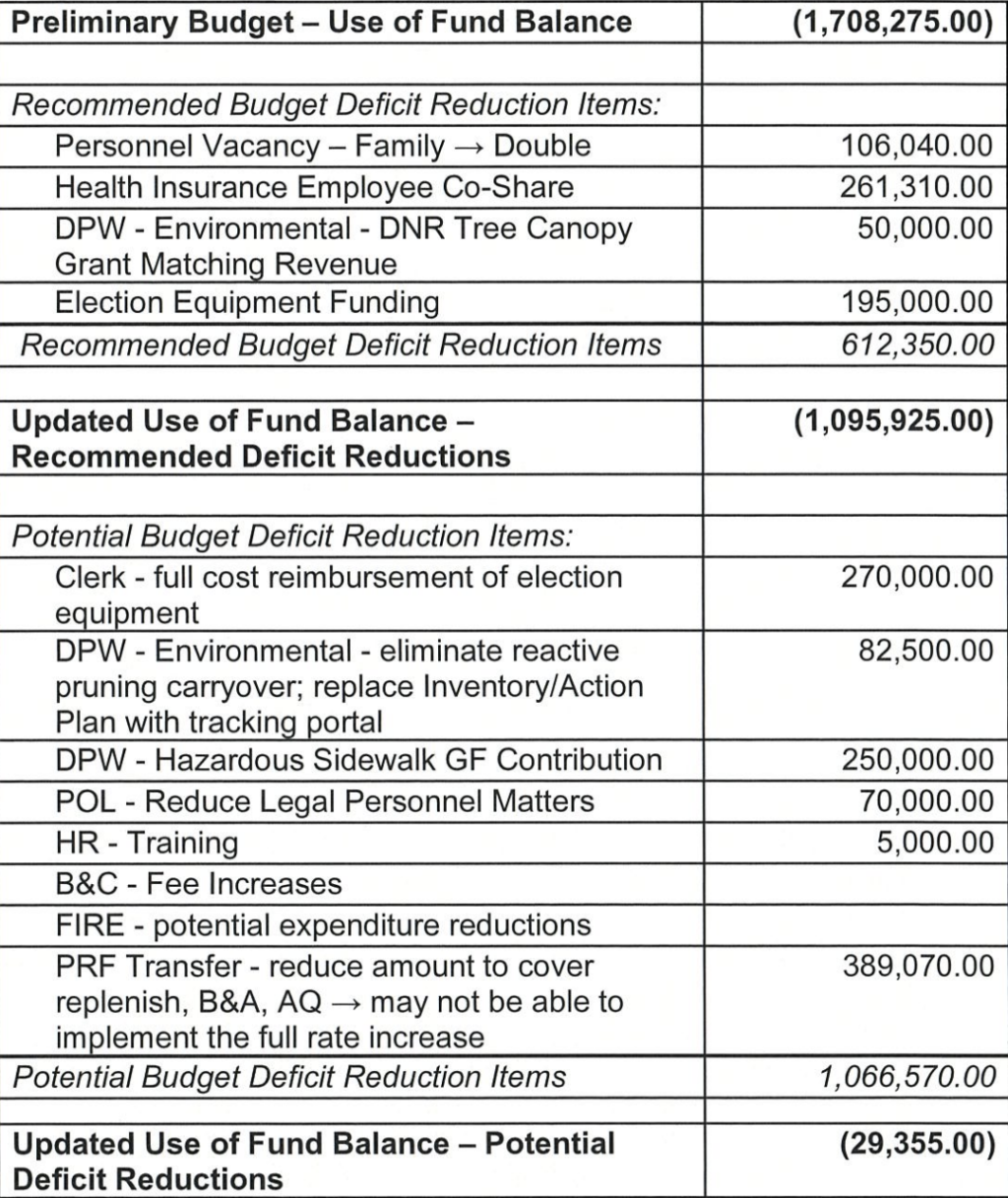
After initially proposing a budget with a $1.7 million deficit in the general fund earlier this month, City Manager Robert Belleman presented City Council with adjustments to nearly eliminate the deficit at Tuesday’s City Council meeting. Funding cuts to the parks department, anticipated grant income and changes in budgetary procedure are among the reasons for the turnaround.
With the proposed deficit reductions, which received generally positive feedback from the City Council, the city is budgeted to burn through just under $30,000 in reserve funds – less than a tenth of a percent of the total general fund budget – during its next fiscal year, which begins in July.
“Well this is not bad news … I’m a little startled,” said Mayor Erik Altmann, who has been pessimistic about the city’s finances, previously estimating East Lansing is operating at a more than $4 million structural deficit.
While council was presented with an essentially balanced budget, the council will likely pass a version of its budget with a larger use of reserve funds, as Belleman also recommended some new expenses that some members of council signaled support for.
These new adjustments include adding a pair of Parking and Code Enforcement officers and adding or expanding three roles within the Parks and Recreation Department. Belleman said that because these positions would be factored into fee adjustments or help bring in revenue, the changes will have a limited net impact on the general fund budget.
The budget also includes projects that would be paid for by bonds. It is unclear how much of the bond service payments would fall on the general fund at this time. A presentation on bond proposals given to the council in March suggests the amount will be hundreds of thousands of dollars, but the scope of the proposed bond has since changed, making the new amount unclear.
Besides the overview of the new budget adjustments, Tuesday’s meeting gave insight to potential fee increases for city services and programs, and cuts to the city’s Police Oversight Commission.
Changes to the budget process partially drive deficit reduction.
The reduced deficit in the proposed budget isn’t just the result of cuts and fee increases for city programs, but changes to the budget process that don’t actually have direct implications on day-to-day city operations.
In recent fiscal years, the city has often been budgeted to run at a significant deficit, only to have year-end results show a surplus. For example, in the current fiscal year the city was initially budgeted to run at a more than $2 million deficit, but is now expected to finish the year with a surplus of about $900,000.
Belleman has said the discrepancy is due to the city pushing off expensive projects and saving on unfilled positions, but questions have been raised about if East Lansing’s budget process is causing the city’s financial outlook to seem worse than it actually is.
Earlier this year, the city assembled a committee to provide recommendations on local finances. The committee’s first official recommendation was that the city begin considering a “vacancy factor” in its budget process that accounts for unfilled positions.
The recommendation has already made a drastic difference in the budget process as the city prepares for the next fiscal year, the budget includes $643,000 in savings for the vacancy factor.
At Tuesday’s meeting, Belleman proposed another change to how the city projects vacancies by budgeting vacant positions to have a two-person healthcare plan instead of a family plan. This change reduces the city’s estimated healthcare costs by over $100,000.
Additionally, Belleman recommended the city anticipate it is able to pay for more than $500,000 in new election equipment and tree pruning using grant dollars, instead of leaning on the general fund.
Other proposed changes include putting a cap on employer contributions to the city’s healthcare plan, which would save about $260,000, and cutting $250,000 from the general fund’s contribution to repair sidewalks. Belleman said the income tax will still provide $500,000 for sidewalk repairs.
Childcare, recreational programs could see increased costs.
One major change recommended by Belleman that some members of council were open to is cutting the general fund’s contributions to the city’s Parks and Recreation Department by almost $390,000.
In an email attached to the meeting agenda, Belleman asked about the nearly $210,000 loss the aquatic center is expected to have next year and more than $130,000 loss budgeted for the city’s school age childcare program, asking Parks and Recreation Director Justin Drwencke if fees for these programs are being increased to cover these losses.
In response, Drwencke said daily admission to the aquatic center would need to be raised by $5 and it would increase costs more than $500 annually to enroll a single child in the childcare program and more than $2,000 annually for a family to enroll two children – as the second child discount would be dropped.
To soften the burden on those who utilize the aquatic center and the childcare program, Belleman agreed to let Drwencke have flexibility in adjusting the city’s parks and recreation fee schedule across different programs to cover the cuts.
Councilmember Mark Meadows said he’s supportive of Belleman’s proposals, but that he would like to see what the fee increases are before the council approves the budget on May 26.
Proposed cuts to the city’s Police Oversight Commission sparks concern.
A few residents voiced concerns during public comment about cuts Belleman has proposed to the city’s independent Police Oversight Commission.
The cuts – which total $43,000 – would jeopardize the commission’s ability to hire a data analyst, hold a community forum, receive training and hire an investigator to look into incidents of alleged bias in local policing, oversight commission Vice Chair Kath Edsall said at the meeting.
Belleman said the cuts are proposed to budget items that were not spent during the current or past fiscal years, and if the commission is able to find ways to spend the funds the budget can be amended during the fiscal year.
However, during public comment Edsall said the money wasn’t used because recent changes to the ordinance governing the commission delayed the training and city leaders were unresponsive when the commission tried to hire a bias investigator. She added that the commission did contract with Adrian College professor Cedrick Heraux to analyze use of force incidents in 2024, and speculated Belleman does not want the 2025 data to be analyzed because it would reveal bias.
Edsall said she believes Belleman proposed the cuts as retaliation for commissioners’ criticism of the police department.
In a follow up call with East Lansing Info on Thursday, Edsall said she is not optimistic the council would approve new expenses for the commission during the course of the next fiscal year. She added that Belleman often does not respond to emails from commissioners and she doesn’t expect proposed new expenses from the commission to even make it on to future council agendas.